 Binary Options · Source-based explainer
The 2 November contract defines the index measure and source hierarchy. Proxy instruments and intraday highs cannot silently replace that benchmark.
 Forex · Source-based explainer
The ECB’s portfolio totals are accounting values, with separate redemption columns. They should not be read as same-day market prices.
 Crypto · Source-based explainer
The consensual soulbound interface separates non-transferability from permission to burn. That permission is fixed rather than silently rewritten after issuance.
 Brokerage · Source-based explainer
The educational communication is linked to recruitment and asset transfers. Written and oral first contact have different delivery mechanics.
 Binary Options · Source-based explainer
The filled terms specify Donovan Mitchell, points, the entire game and overtime. The comparison pool is a substantive part of the question.
 Forex · Source-based explainer
Most interviews preceded the breakdown in trade talks. Later responses described a deterioration that the overall quarterly headline could conceal.
 Crypto · Source-based explainer
The standard names errors and their arguments for ERC-20, ERC-721 and ERC-1155. A recognizable error payload is still data supplied by the executing code.
 Brokerage · Source-based explainer
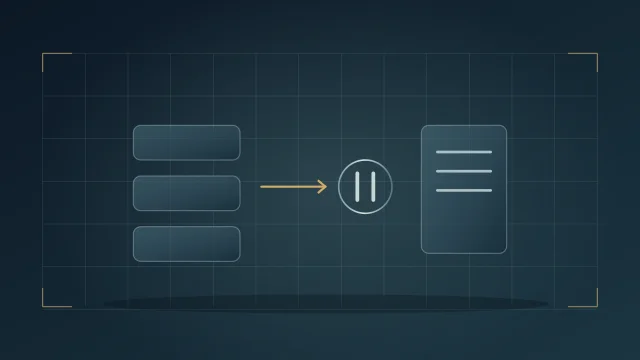
For a transfer in whole, validation triggers an account freeze under the rule. That operating stage differs from merely requesting a move.
 Binary Options · Source-based explainer
The new record names a contract on the Kalshi American Power Index. A threshold question on an index is not automatically a vote-share forecast.
 Forex · Source-based explainer
The week brought ECB household expectations, UK flash activity, futures positioning and the Eurosystem statement. Their observation dates must remain distinct.
 Crypto · Source-based explainer
A proposal comment deadline, an ECB infrastructure presentation and SEC examination priorities defined the week’s documentary review.
 Brokerage · Source-based explainer
SEC examination priorities, Nasdaq results and the SEC–AMF memorandum were distinct records with different implications.
 Binary Options · Source-based explainer
Launch, election and admissions filings expanded the documentary set. The Ludlow order separately highlighted the importance of listing restrictions.
 Forex · Source-based explainer
The September median for one year reached 3.1%; three-year and five-year expectations remained at 2.9% and 2.5%.
 Crypto · Source-based explainer
The proposal describes token-specific approval with a deadline and signature. Its documented status is Stagnant rather than Final.
 Brokerage · Source-based explainer
The agenda highlights financial responsibility, trading oversight, AML and resilience. Priorities guide supervision rather than granting individual approval.
 Binary Options · Source-based explainer
The filed terms distinguish departure from the pad from later mission success. The specified example’s deadline remains in the future.
 Forex · Source-based explainer
The October composite increased from 52.0. Its distance above 50 cannot be read as a 3.1% increase in economic output.
 Crypto · Source-based explainer
ConsecutiveTransfer describes multiple consecutive tokens. Counting event rows as individual NFTs can distort an indexer’s activity totals.
 Brokerage · Source-based explainer
The company reported net revenue of USD1.481 billion and ARR of USD3.365 billion. Adding them would mix a quarterly flow with an annualized metric.
 Binary Options · Source-based explainer
The filed question ranks parties by Knesset seats for the specified election. Ties and later changes require the exact contractual rules.
 Forex · Source-based explainer
The October flash index rose from 55.9 to 56.0. Orders, output, employment, delivery times and inventories have different weights.
 Crypto · Source-based explainer
The extension adds a user role and expiry. Those fields do not alone establish rental payment or rights to physical property.
 Brokerage · Source-based explainer
The rule addresses authorization for negotiable instruments. For a separate written authorization, three years run after expiry rather than creation.