 Binary Options · Source-based explainer
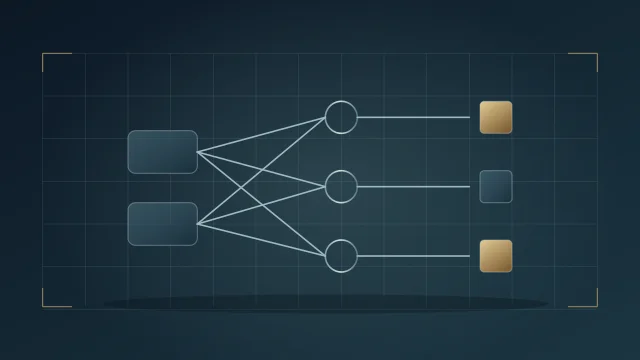
The PROFOOTBALLGAMESTAT filing makes aggregation an explicit contract parameter. The same observed values can answer differently when that parameter changes.
 Forex · Source-based explainer
The fourth-quarter SPF reports respondents’ forecasts. Its fieldwork window matters when comparing the results with subsequent policy decisions and economic releases.
 Crypto · Source-based explainer
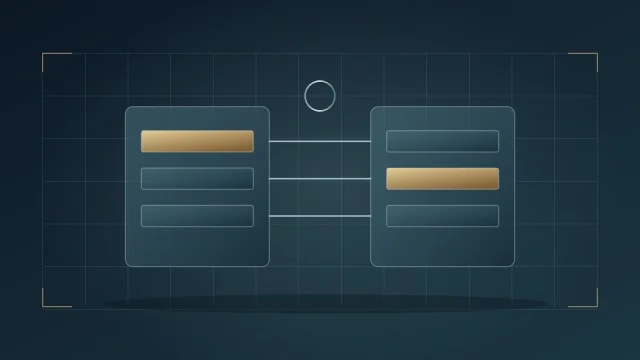
The historical UUPS proposal includes an upgrade compatibility check and separately discusses storage-layout pitfalls. Its published status is Stagnant.
 Brokerage · Source-based explainer
When only part of a callable holding is redeemed, the broker’s process determines how that redemption is distributed among customers.
 Binary Options · Source-based explainer
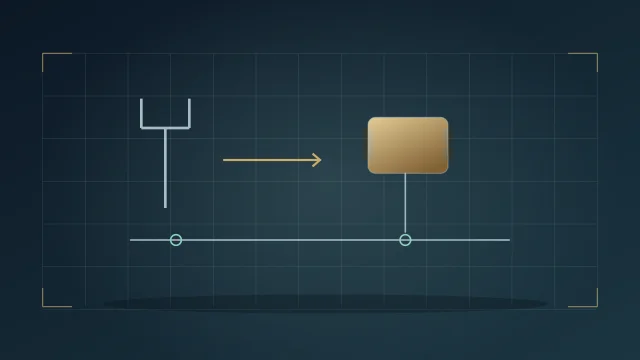
Official attribution and the selected achievement matter as much as the player or team name in a contract description.
 Forex · Source-based explainer
September’s ECI separates total compensation, wages and benefits. The headline is not simply an unweighted average of its component percentages.
 Crypto · Source-based explainer
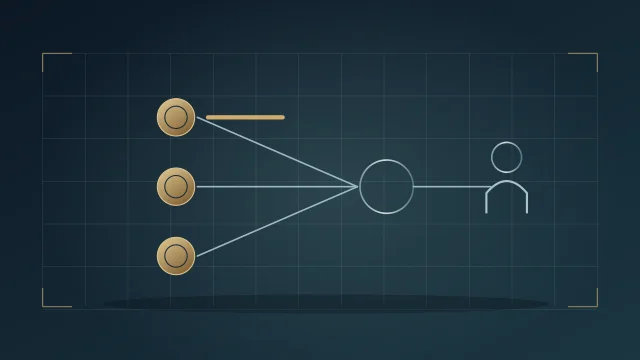
One contract can manage several token IDs. Permission screens must show whether approval covers a quantity of one ID or the operator role across the contract.
 Brokerage · Source-based explainer
A broker’s document workflow should distinguish the first individual disclosure from its later annual delivery, rather than reusing one unchecked layout.
 Binary Options · Source-based explainer
The game-win class filing defines the measured period. A final scoreboard alone cannot answer every segment-specific contract.
 Forex · Source-based explainer
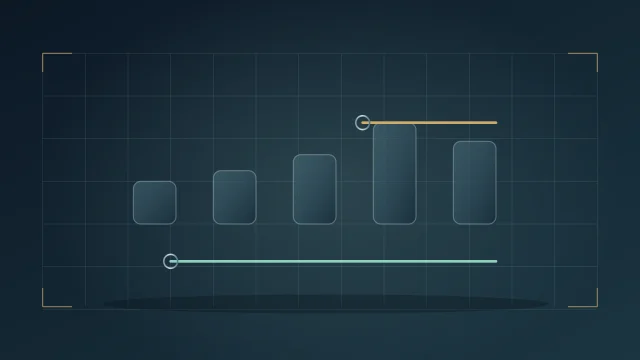
The preliminary third-quarter estimate shows why two growth comparisons can move in different directions without contradicting each other.
 Crypto · Source-based explainer
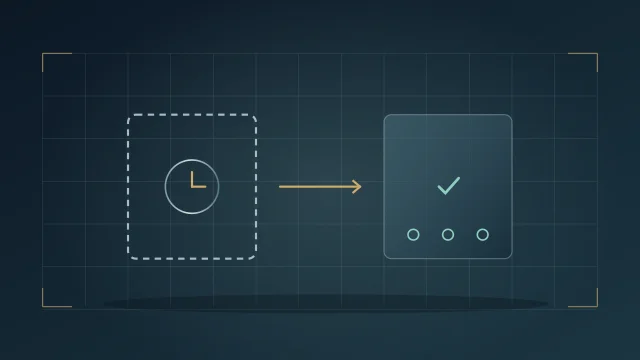
The specification extends contract-signature checks to accounts not yet deployed. A simulated validation result and a persistent on-chain wallet are different records.
 Brokerage · Source-based explainer
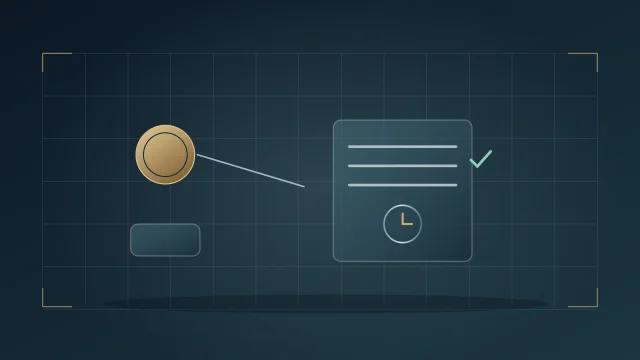
The general statement requirement considers positions, money balances and account activity. A customer population built only from executed trades can omit relevant accounts.
 Binary Options · Source-based explainer
The sign of the differential is part of the measurement. A question about exceeding a spread is not automatically a question about winning the match.
 Forex · Source-based explainer
The October Outlook distinguishes individual point forecasts, their median and a range formed after excluding the highest and lowest forecasts.
 Crypto · Source-based explainer
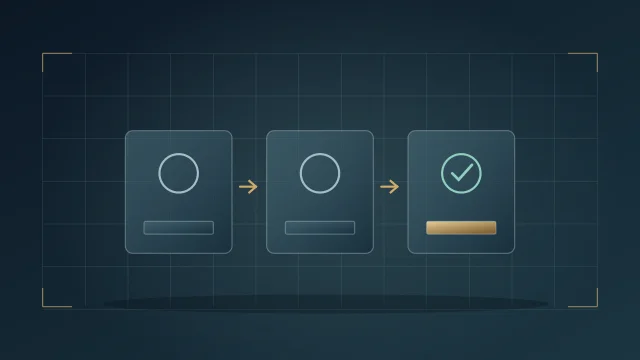
Asynchronous vaults distinguish requesting, fulfilment and claiming. Status labels should show the lifecycle instead of treating a successful request as immediate redemption.
 Brokerage · Source-based explainer
An account’s adviser name is not a complete record of who should receive issuer material or exercise the defined proxy role.
 Binary Options · Source-based explainer
The Ludlow filing gives Void a contractual settlement process. Understanding that process requires more than interpreting the product’s protection label.
 Forex · Source-based explainer
The 28 October decision passed 10–2. The direction of dissent matters when interpreting a policy pause and the information still ahead.
 Crypto · Source-based explainer
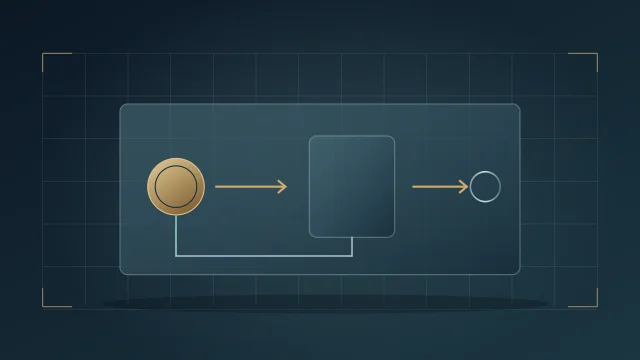
The Final specification adds payment callbacks to ERC-20. Applications need to distinguish a basic transfer from a transfer that executes recipient code.
 Brokerage · Source-based explainer
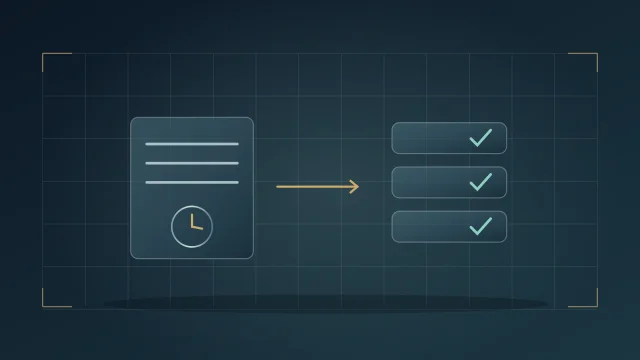
A practical review connects the disclosure requirement to delivery records, ownership of the process and the rule’s stated exceptions.
 Binary Options · Source-based explainer
The Gemini class filing distinguishes an official inflation observation from an index’s changing expectations between releases.
 Forex · Source-based explainer
The increase was 25 basis points. A rate database needs both the decision date and the day the new setting starts to apply.
 Crypto · Source-based explainer
A standard ownership interface makes one role discoverable. Understanding administrative power still requires a map of the particular contract’s permissions.
 Brokerage · Source-based explainer
Onboarding and a later customer request trigger different deadlines. An operational record needs to distinguish business days from calendar days.