ECB forecaster survey: a late-October publication contains early-October expectations
The fourth-quarter SPF reports respondents’ forecasts. Its fieldwork window matters when comparing the results with subsequent policy decisions and economic releases.
WFN interpretation: publication date is not the date on which every forecast was formed. Treating this survey as a reaction to the ECB’s 29 October meeting would reverse the order of the information flow.
What to check before drawing a conclusion
A change of 0.4 percentage point is also different from a 0.4% relative increase. Record the unit of a revision separately from the level to prevent small-looking labels from changing the meaning.
Quick Brief is a reading aid. The full article and source trail stay on this page.
WFN STORY COMPASS
Choose your reading angle
Switch between the reported record, market context and open questions. Status labels distinguish claims from findings.
All context layers are visible. Choose a lens to jump to that part of the story.
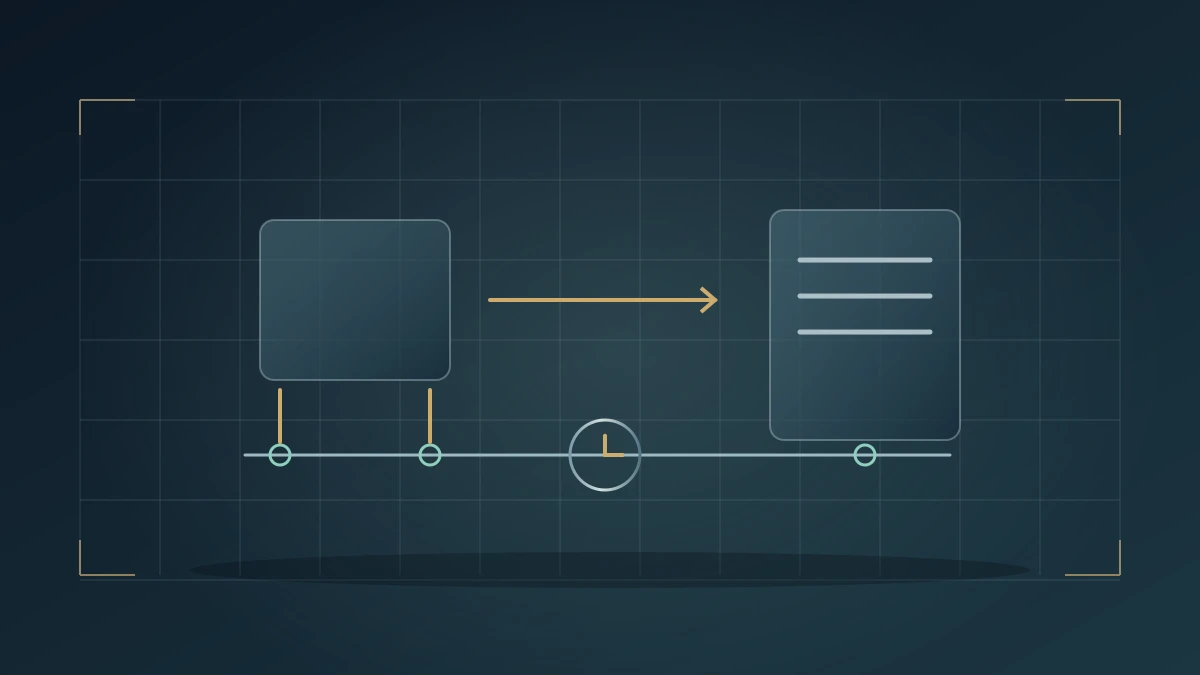
Original WFN vector illustrationWFN · 2 November 2026
Editorial noteSource-based explanation with original WFN analysis. Historical records retain their dates; numerical examples are illustrative. The original vector illustration is conceptual and is not documentary evidence.
WFN REALITY LEDGER
What is on the record?
Primary-source explainer
Primary-source explainer
Primary record / reference periodQ4 2026 SPF; fieldwork 2–7 October; published 30 October
The linked source supports the documented record; WFN interpretation and illustrative examples are separate.
The fourth-quarter SPF reports respondents’ forecasts. Its fieldwork window matters when comparing the results with subsequent policy decisions and economic releases.
Respondents put 2027 headline inflation at 2.6%, 0.4 percentage point above the previous round. The release explicitly separates their views from those of ECB decision-makers and staff. ECB — Survey of Professional Forecasters, 30 October 2026 ↗
02 · WFN EDITORIAL ANALYSIS
What the distinction changes
WFN interpretation: publication date is not the date on which every forecast was formed. Treating this survey as a reaction to the ECB’s 29 October meeting would reverse the order of the information flow.
For an honest comparison, keep the fieldwork window beside the release timestamp and the forecast horizon. That makes a later disagreement understandable without assuming that respondents ignored information not yet available to them.
03 · REVIEW POINTS
What to check before drawing a conclusion
A change of 0.4 percentage point is also different from a 0.4% relative increase. Record the unit of a revision separately from the level to prevent small-looking labels from changing the meaning.
Compare later forecasts at the same horizon and identify whether changes reflect new information or a different sample. This survey documents expectations, not realised 2027 inflation or an official promise about interest rates.