ERC-7540: a pending vault request is not yet a claimable withdrawal
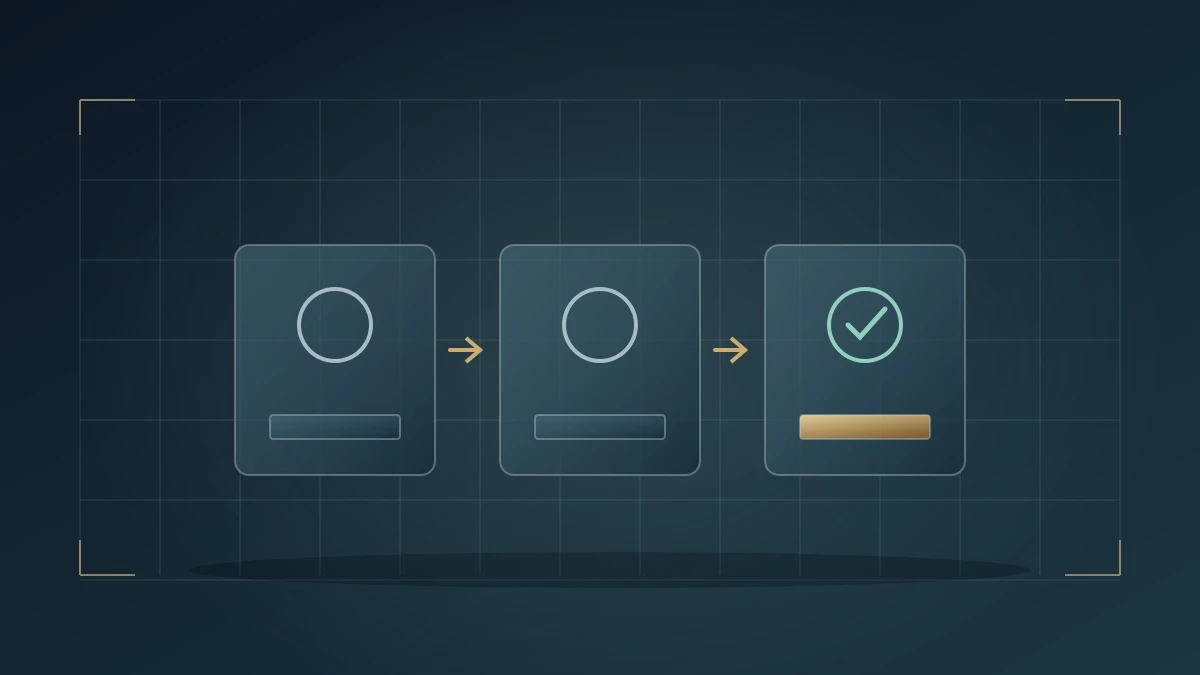
Asynchronous vaults distinguish requesting, fulfilment and claiming. Status labels should show the lifecycle instead of treating a successful request as immediate redemption.
Full analysis selected. Choose Quick brief to read the key points first.
WFN QUICK BRIEF · UNDER 1 MIN
The short version
MODE 2 OF 2
What the primary record establishes
ERC-7540, created on 18 October 2023 and published as Final, extends ERC-4626 with asynchronous deposit and redemption requests. Implementations may support either flow or both. Ethereum — ERC-7540, Final; created 18 October 2023 ↗
What the distinction changes
WFN interpretation: a confirmed request establishes a step in a process, not immediate receipt of the underlying asset. The difference belongs in both the interface and operational reporting.
What to check before drawing a conclusion
Inspect the deployment’s supported flows and fulfilment rules before estimating availability. A familiar ERC-4626 method name does not guarantee synchronous execution for every operation in an extended vault.
Quick Brief is a reading aid. The full article and source trail stay on this page.
WFN STORY COMPASS
Choose your reading angle
Switch between the reported record, market context and open questions. Status labels distinguish claims from findings.
All context layers are visible. Choose a lens to jump to that part of the story.
Original WFN vector illustrationWFN · 2 November 2026
Editorial noteSource-based explanation with original WFN analysis. Historical records retain their dates; numerical examples are illustrative. The original vector illustration is conceptual and is not documentary evidence.
WFN REALITY LEDGER
What is on the record?
Primary-source explainer
Primary-source explainer
Primary record / reference periodHistorical specification; Final; created 18 October 2023
The linked source supports the documented record; WFN interpretation and illustrative examples are separate.
Asynchronous vaults distinguish requesting, fulfilment and claiming. Status labels should show the lifecycle instead of treating a successful request as immediate redemption.
01 · VERIFIED RECORD
What the primary record establishes
ERC-7540, created on 18 October 2023 and published as Final, extends ERC-4626 with asynchronous deposit and redemption requests. Implementations may support either flow or both. Ethereum — ERC-7540, Final; created 18 October 2023 ↗
Requests progress through Pending, Claimable and Claimed. Existing vault methods are used to claim; in asynchronous redemption flows previewRedeem and previewWithdraw must revert. Ethereum — ERC-7540, Final; created 18 October 2023 ↗
02 · WFN EDITORIAL ANALYSIS
What the distinction changes
WFN interpretation: a confirmed request establishes a step in a process, not immediate receipt of the underlying asset. The difference belongs in both the interface and operational reporting.
A useful activity view records the requested amount, controller, pending state and eventual claim. This makes it possible to distinguish an unfulfilled request from a fulfilled amount that the user has not yet claimed.
03 · REVIEW POINTS
What to check before drawing a conclusion
Inspect the deployment’s supported flows and fulfilment rules before estimating availability. A familiar ERC-4626 method name does not guarantee synchronous execution for every operation in an extended vault.
The specification defines an interface and lifecycle rather than a universal waiting time or guaranteed yield. Compare the actual vault’s state transitions and permissions with what the application tells the user at each stage.