 Brokerage · Source-based explainer
FINRA’s complaint channel and dispute-resolution processes serve different purposes. Receiving a complaint does not establish that a loss will be repaid.
 Binary Options · Source-based explainer
CME’s original announcement described contracts valued up to $20. That historical ceiling needs to be distinguished from purchase cost and net profit.
 Forex · Advertisement · Technology Global Solutions
Advertisement · MetaTraderCRM by Technology Global Solutions brings client, funding and trading operations into a self-hosted MT5 CRM workspace.
 Forex · WFN explainer
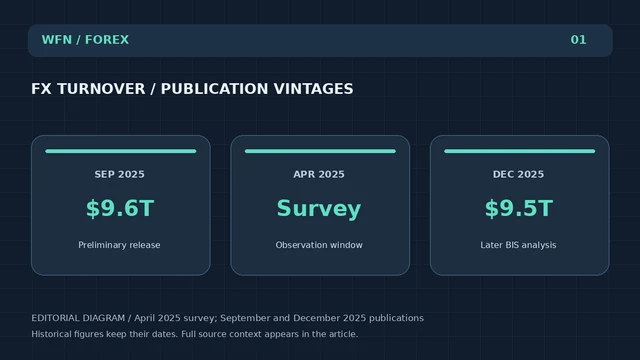
BIS publications reported $9.6 trillion and later $9.5 trillion in daily FX turnover. The publication date belongs beside the statistic.
 Crypto · WFN explainer
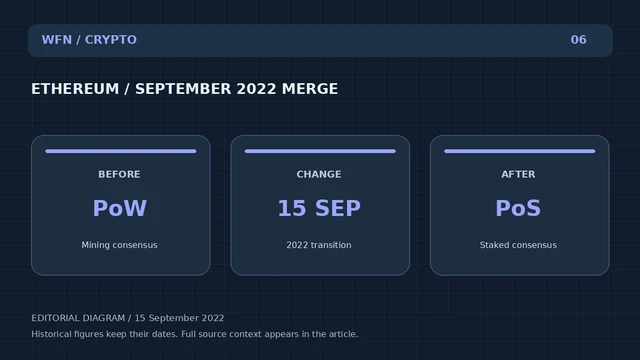
The September 2022 Merge replaced mining with proof of stake. Its energy impact and transaction-capacity impact need separate explanations.
 Brokerage · WFN explainer
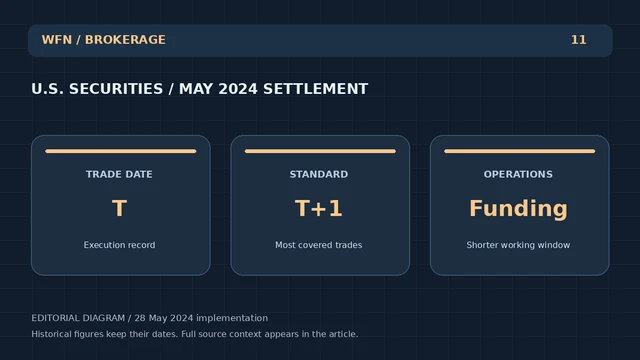
The May 2024 U.S. settlement change shortened the standard cycle for most broker transactions. Funding and trade processing had to fit sooner.
 Binary Options · WFN explainer
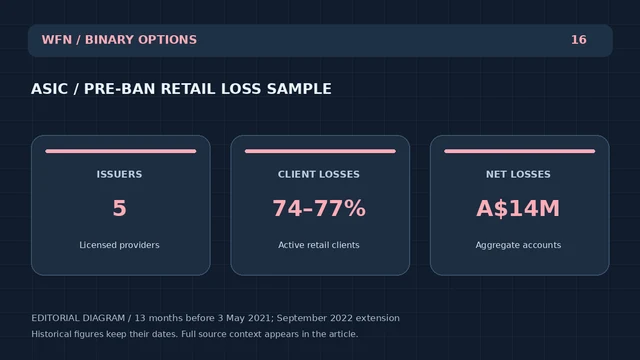
ASIC found that 74–77% of active retail clients in its pre-ban analysis lost money. The period and sampled issuers are part of that finding.
 Forex · WFN explainer
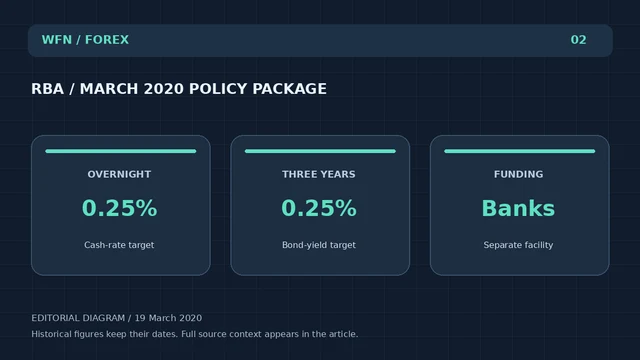
The RBA paired a 0.25% cash rate with a three-year bond-yield target in March 2020. These instruments worked at different maturities.
 Crypto · WFN explainer
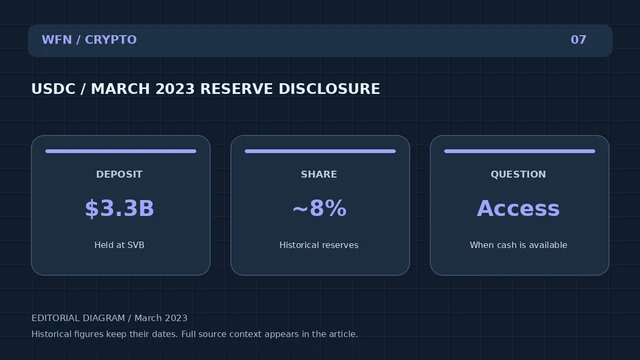
Circle’s $3.3 billion SVB exposure shows why stablecoin reserve backing and immediate access to redemption cash need separate analysis.
 Brokerage · WFN explainer
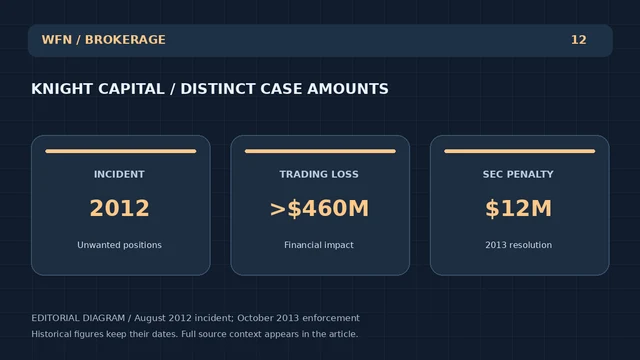
The SEC’s Knight Capital case links a costly trading incident to market-access controls, testing and the handling of production alerts.
 Binary Options · WFN explainer
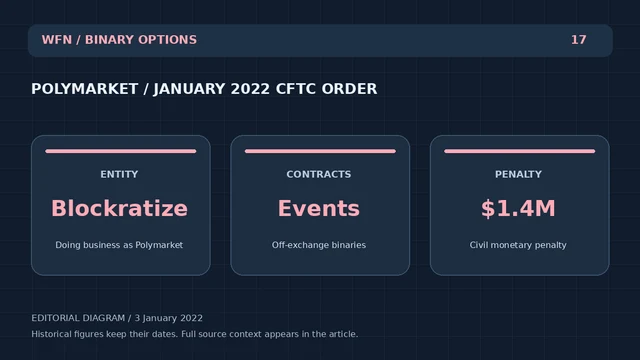
The CFTC’s $1.4 million Polymarket settlement illustrates why a technology label cannot establish permission to offer event-based contracts.
 Forex · WFN explainer
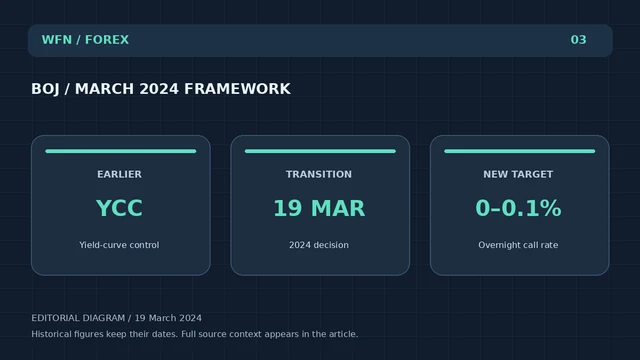
The BOJ’s March 2024 decision replaced negative-rate and yield-curve-control settings with a short-term rate framework.
 Crypto · WFN explainer
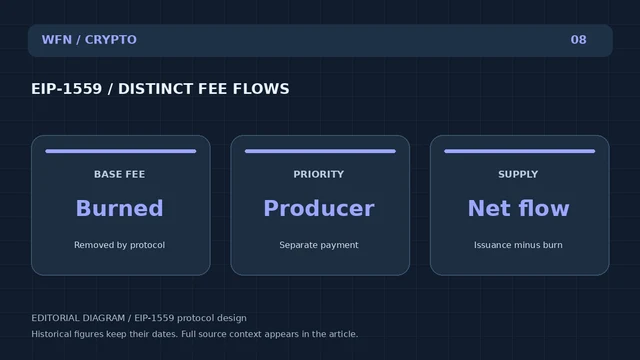
Ethereum’s fee specification separates the burned base fee from the priority fee. Supply analysis also needs issuance over the same period.
 Brokerage · WFN explainer
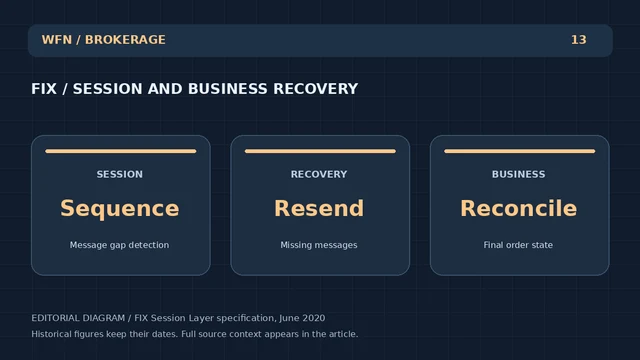
FIX sequence numbers help recover missing messages. Brokers still need application-level reconciliation to establish the final state of an order.
 Binary Options · WFN explainer
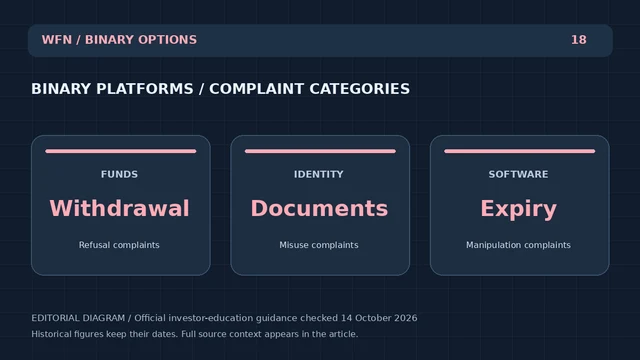
Investor.gov identifies withdrawal refusal, identity theft and software manipulation among complaints about binary-options platforms.
 Forex · WFN explainer
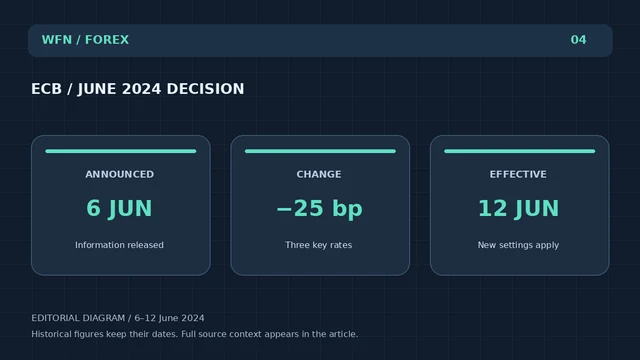
The ECB announced a 25-basis-point cut on 6 June 2024, effective 12 June. The two dates answer different questions for FX analysis.
 Crypto · WFN explainer
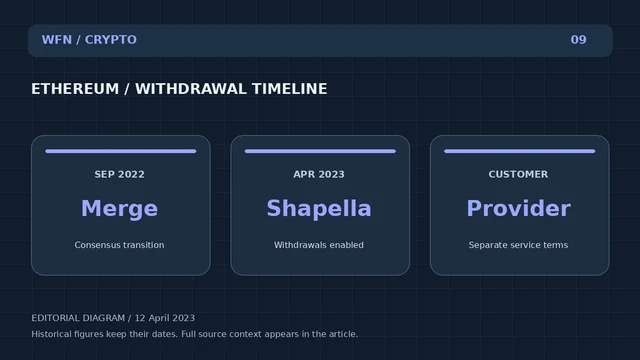
Ethereum enabled staking withdrawals in April 2023. Protocol availability and a provider’s customer withdrawal process remain distinct.
 Brokerage · WFN explainer
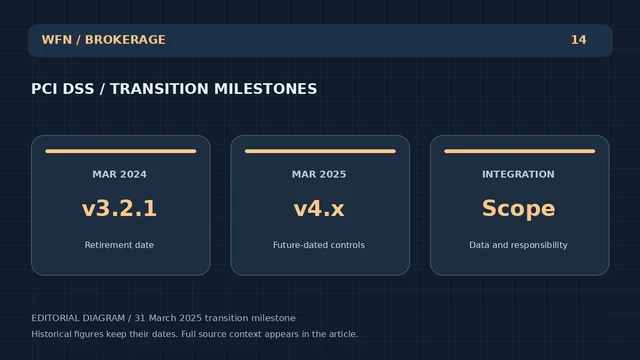
The PCI DSS v4.x transition illustrates why brokerage payment integration requires an identified security scope and ongoing ownership.
 Binary Options · WFN explainer
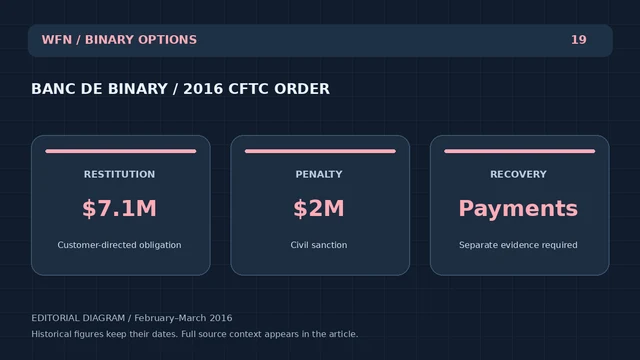
The CFTC’s Banc de Binary release lists $7.1 million in restitution and a $2 million penalty. A court order is not proof of full repayment.
 Forex · WFN explainer
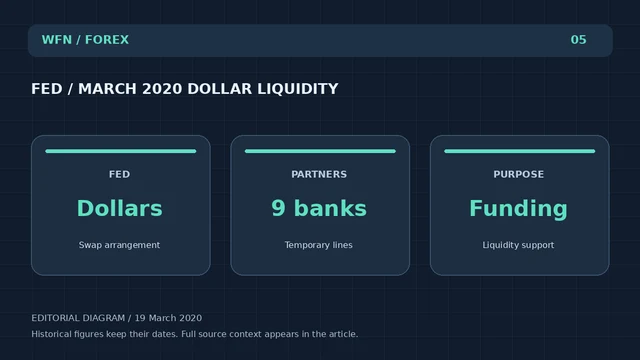
Nine temporary central-bank swap arrangements announced in March 2020 illustrate how dollar liquidity support differs from an FX-rate target.
 Crypto · WFN explainer
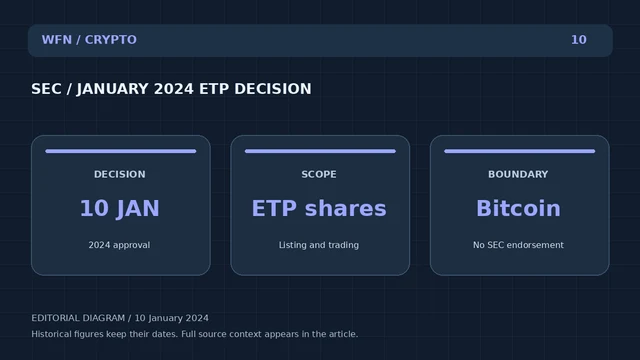
Approval to list and trade spot bitcoin ETP shares was a product-market decision. The SEC expressly separated it from endorsing bitcoin.
 Brokerage · WFN explainer
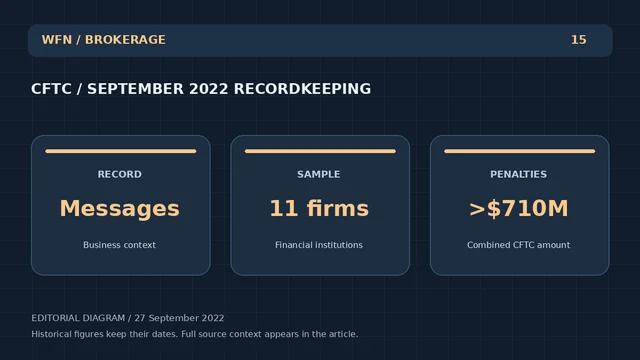
More than $710 million in CFTC penalties for communication-record failures showed that written channel policies need operational enforcement.
 Binary Options · WFN explainer
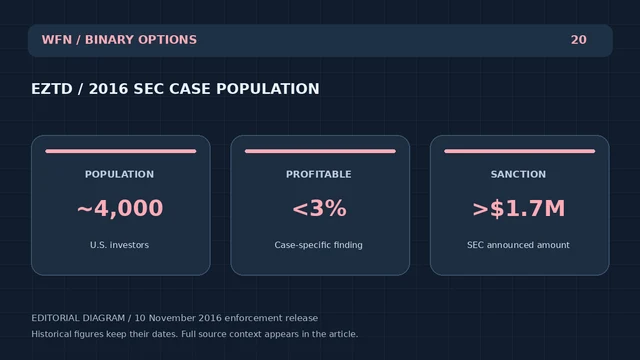
The SEC found fewer than 3% of about 4,000 U.S. EZTD investors made a profit. That case-specific result challenges unsupported marketing claims.
 Forex · WFN explainer
Canada’s September labour report combined falling employment with a slightly higher unemployment rate. The official figures provide a concrete demand-side checkpoint for Canadian-dollar analysis, while the wage measure adds a separate price-pressure signal.