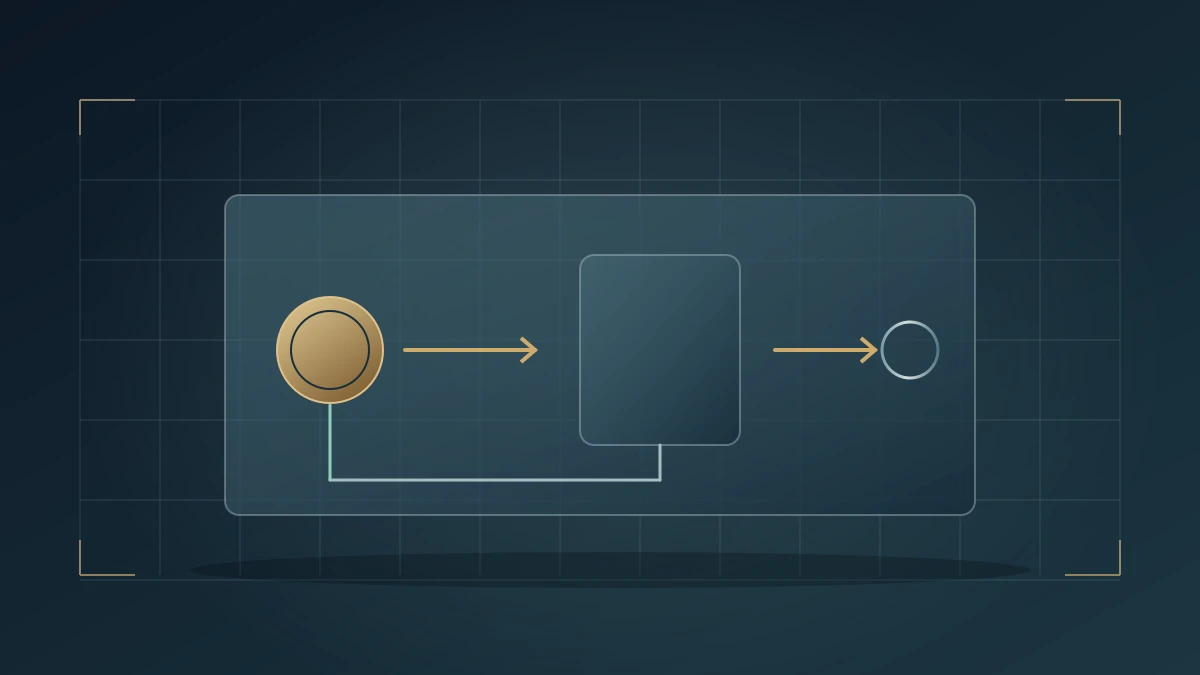
ERC-1363: a token payment can also call the receiving contract
The Final specification adds payment callbacks to ERC-20. Applications need to distinguish a basic transfer from a transfer that executes recipient code.
Full analysis selected. Choose Quick brief to read the key points first.
WFN QUICK BRIEF · UNDER 1 MIN
The short version
MODE 2 OF 2
What the primary record establishes
ERC-1363, created on 30 August 2018, defines transferAndCall and transferFromAndCall, which invoke onTransferReceived on a compatible recipient after transferring tokens. Its published status is Final. Ethereum — ERC-1363, Final; created 30 August 2018 ↗
What the distinction changes
WFN example: a compatible service could associate a payment with an action in one transaction. Whether that action grants access, records an invoice or does something else depends on the receiving application.
What to check before drawing a conclusion
Check which method the transaction actually calls and whether the intended receiver supports it. The standard adds named methods alongside ERC-20; a basic transfer should not be assumed to trigger the same workflow.
Quick Brief is a reading aid. The full article and source trail stay on this page.
WFN STORY COMPASS
Choose your reading angle
Switch between the reported record, market context and open questions. Status labels distinguish claims from findings.
All context layers are visible. Choose a lens to jump to that part of the story.
Original WFN vector illustrationWFN · 30 October 2026
Editorial noteSource-based explanation with original WFN analysis. Historical records retain their dates; numerical examples are illustrative. The original vector illustration is conceptual and is not documentary evidence.
WFN REALITY LEDGER
What is on the record?
Primary-source explainer
Primary-source explainer
Primary record / reference periodHistorical specification; Final; created 30 August 2018
The linked source supports the documented record; WFN interpretation and illustrative examples are separate.
The Final specification adds payment callbacks to ERC-20. Applications need to distinguish a basic transfer from a transfer that executes recipient code.
01 · VERIFIED RECORD
What the primary record establishes
ERC-1363, created on 30 August 2018, defines transferAndCall and transferFromAndCall, which invoke onTransferReceived on a compatible recipient after transferring tokens. Its published status is Final. Ethereum — ERC-1363, Final; created 30 August 2018 ↗
The separate approveAndCall operation invokes onApprovalReceived on the spender. An incorrect callback return value requires the transaction to revert under the specification. Ethereum — ERC-1363, Final; created 30 August 2018 ↗
02 · WFN EDITORIAL ANALYSIS
What the distinction changes
WFN example: a compatible service could associate a payment with an action in one transaction. Whether that action grants access, records an invoice or does something else depends on the receiving application.
A wallet should therefore describe both the token movement and the interaction. Showing only an amount and destination can hide the operational significance of the callback from someone approving the transaction.
03 · REVIEW POINTS
What to check before drawing a conclusion
Check which method the transaction actually calls and whether the intended receiver supports it. The standard adds named methods alongside ERC-20; a basic transfer should not be assumed to trigger the same workflow.
Compatibility describes an interface, while trust in the destination requires examining the implementation and permissions. Review the actual token address, callback target and expected effect before treating a successful transaction as evidence that a particular service obligation was fulfilled.