ERC-6492: validating a wallet signature can precede permanent deployment
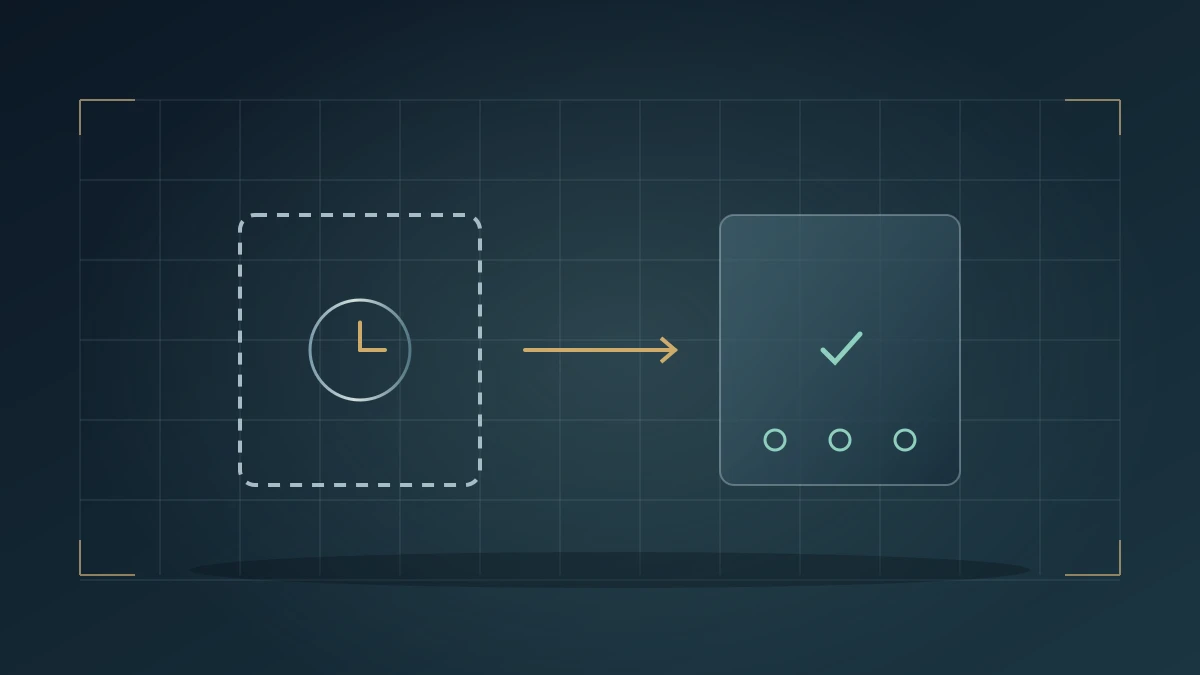
The specification extends contract-signature checks to accounts not yet deployed. A simulated validation result and a persistent on-chain wallet are different records.
Full analysis selected. Choose Quick brief to read the key points first.
WFN QUICK BRIEF · UNDER 1 MIN
The short version
MODE 2 OF 2
What the primary record establishes
ERC-6492, created on 10 February 2023 and published as Final, wraps contract signatures with preparation data for verification before a wallet is deployed. It extends ERC-1271. Ethereum — ERC-6492, Final; created 10 February 2023 ↗
What the distinction changes
WFN interpretation: successful simulation answers a question under the state used for that call. It does not itself submit a transaction or leave the simulated deployment permanently on-chain.
What to check before drawing a conclusion
Record the chain, intended account address, message and state context used by the verifier. The same branded wallet interface does not identify those concrete inputs.
Quick Brief is a reading aid. The full article and source trail stay on this page.
WFN STORY COMPASS
Choose your reading angle
Switch between the reported record, market context and open questions. Status labels distinguish claims from findings.
All context layers are visible. Choose a lens to jump to that part of the story.
Original WFN vector illustrationWFN · 2 November 2026
Editorial noteSource-based explanation with original WFN analysis. Historical records retain their dates; numerical examples are illustrative. The original vector illustration is conceptual and is not documentary evidence.
WFN REALITY LEDGER
What is on the record?
Primary-source explainer
Primary-source explainer
Primary record / reference periodHistorical specification; Final; created 10 February 2023
The linked source supports the documented record; WFN interpretation and illustrative examples are separate.
The specification extends contract-signature checks to accounts not yet deployed. A simulated validation result and a persistent on-chain wallet are different records.
01 · VERIFIED RECORD
What the primary record establishes
ERC-6492, created on 10 February 2023 and published as Final, wraps contract signatures with preparation data for verification before a wallet is deployed. It extends ERC-1271. Ethereum — ERC-6492, Final; created 10 February 2023 ↗
The verification flow can use eth_call to prepare the account and then call isValidSignature. The wrapper is processed before ordinary contract-signature fallback checks. Ethereum — ERC-6492, Final; created 10 February 2023 ↗
02 · WFN EDITORIAL ANALYSIS
What the distinction changes
WFN interpretation: successful simulation answers a question under the state used for that call. It does not itself submit a transaction or leave the simulated deployment permanently on-chain.
An account screen should therefore separate signature validation, transaction submission and observed deployment. Combining them into a single completed badge makes later troubleshooting difficult when only the first step occurred.
03 · REVIEW POINTS
What to check before drawing a conclusion
Record the chain, intended account address, message and state context used by the verifier. The same branded wallet interface does not identify those concrete inputs.
Inspect the actual verification implementation and preparation calls when integrating the format. The standard describes how to handle a signature wrapper, while acceptance of a particular message still depends on the contract’s validation logic and the relevant state.