Full analysis selected. Choose Quick brief to read the key points first.
WFN QUICK BRIEF · UNDER 1 MIN
The short version
MODE 2 OF 2
What the primary record establishes
ERC-2309, created on 8 October 2019 and marked Final, defines the ConsecutiveTransfer event for reporting consecutive NFT transfers. Ethereum — ERC-2309, Final ↗
What the distinction changes
In a hypothetical example, IDs 101 through 110 describe ten tokens. That does not mean ten independent blockchain transactions or ten separate event records.
What to check before drawing a conclusion
Correct reconciliation expands the interval logically and checks its boundaries against contract state. Transactions, events and assets are distinct metrics even when they describe related activity.
Quick Brief is a reading aid. The full article and source trail stay on this page.
WFN STORY COMPASS
Choose your reading angle
Switch between the reported record, market context and open questions. Status labels distinguish claims from findings.
All context layers are visible. Choose a lens to jump to that part of the story.
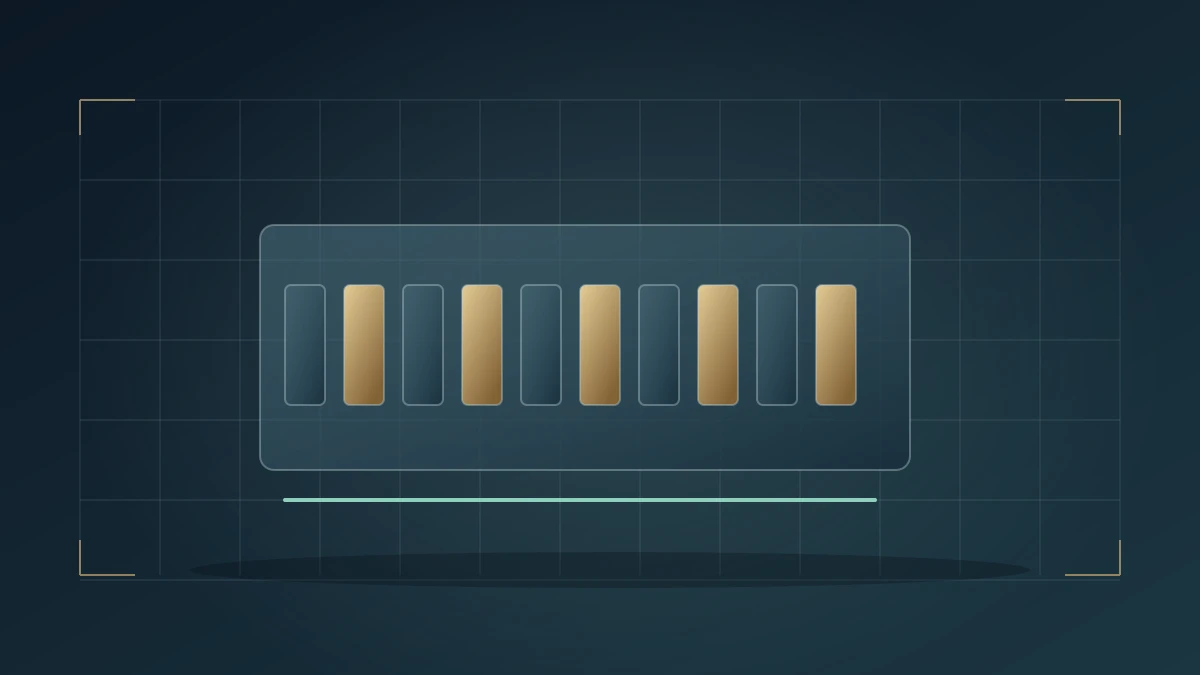
Original WFN vector illustrationWFN · 24 October 2026
Editorial noteSource-based explanation with original WFN analysis. Historical records retain their dates; numerical examples are illustrative. The original vector illustration is conceptual and is not documentary evidence.
WFN REALITY LEDGER
What is on the record?
Primary-source explainer
Primary-source explainer
Primary record / reference periodHistorical specification, created 8 October 2019; Final
The linked source supports the documented record; WFN interpretation and illustrative examples are separate.
ConsecutiveTransfer describes multiple consecutive tokens. Counting event rows as individual NFTs can distort an indexer’s activity totals.
01 · VERIFIED RECORD
What the primary record establishes
ERC-2309, created on 8 October 2019 and marked Final, defines the ConsecutiveTransfer event for reporting consecutive NFT transfers. Ethereum — ERC-2309, Final ↗
The event identifies the first and last token IDs, sender and recipient. Ordinary Transfer events must not also be emitted for the same movement covered by this event. Ethereum — ERC-2309, Final ↗
02 · WFN EDITORIAL ANALYSIS
What the distinction changes
In a hypothetical example, IDs 101 through 110 describe ten tokens. That does not mean ten independent blockchain transactions or ten separate event records.
An indexer that simply counts event rows could undercount units. A system expecting a Transfer event for every token needs to handle the alternative range representation.
03 · REVIEW POINTS
What to check before drawing a conclusion
Correct reconciliation expands the interval logically and checks its boundaries against contract state. Transactions, events and assets are distinct metrics even when they describe related activity.
The standard concerns a reporting format, not market value or commercial authenticity. Activity comparisons should state exactly which unit they count before ranking collections or estimating participation.