EIP-1153: transient storage survives calls but not the transaction
TLOAD and TSTORE provide contract state for communication within one transaction. Their lifetime differs from both ordinary memory and persistent storage.
Full analysis selected. Choose Quick brief to read the key points first.
WFN QUICK BRIEF · UNDER 1 MIN
The short version
MODE 2 OF 2
What the primary record establishes
EIP-1153, created on 15 June 2018 and marked Final, defines TLOAD and TSTORE. Transient values are discarded after every transaction rather than serialized to persistent storage. Ethereum — EIP-1153, Final ↗
What the distinction changes
This gives a reentrancy lock a different lifetime from ordinary call memory. It does not make the lock a permanent account setting or preserve it for tomorrow’s transaction.
What to check before drawing a conclusion
Review which contract owns the transient state and which execution paths revert. A generic claim that all temporary data behave like memory would miss the cross-frame use case.
Quick Brief is a reading aid. The full article and source trail stay on this page.
WFN STORY COMPASS
Choose your reading angle
Switch between the reported record, market context and open questions. Status labels distinguish claims from findings.
All context layers are visible. Choose a lens to jump to that part of the story.
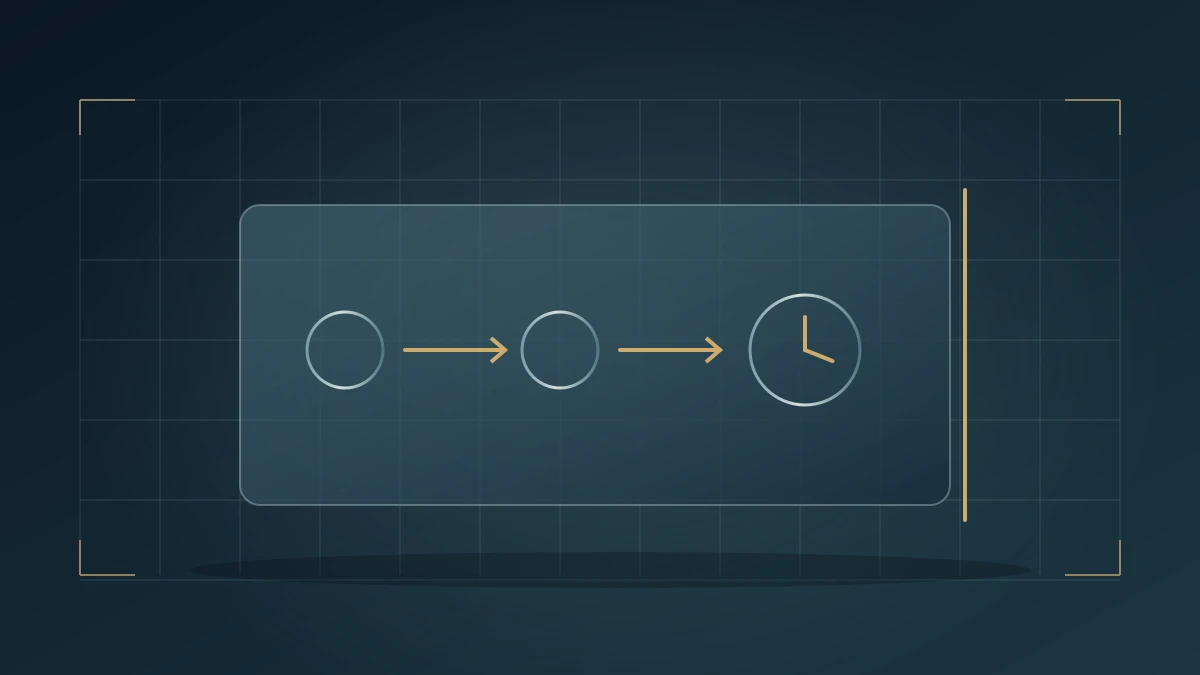
Original WFN vector illustrationWFN · 28 October 2026
Editorial noteSource-based explanation with original WFN analysis. Historical records retain their dates; numerical examples are illustrative. The original vector illustration is conceptual and is not documentary evidence.
WFN REALITY LEDGER
What is on the record?
Primary-source explainer
Primary-source explainer
Primary record / reference periodFinal specification, created 15 June 2018
The linked source supports the documented record; WFN interpretation and illustrative examples are separate.
TLOAD and TSTORE provide contract state for communication within one transaction. Their lifetime differs from both ordinary memory and persistent storage.
01 · VERIFIED RECORD
What the primary record establishes
EIP-1153, created on 15 June 2018 and marked Final, defines TLOAD and TSTORE. Transient values are discarded after every transaction rather than serialized to persistent storage. Ethereum — EIP-1153, Final ↗
The specification describes communication among execution frames, including a contract being re-entered within the same transaction. It also sets rollback behavior when a frame reverts. Ethereum — EIP-1153, Final ↗
02 · WFN EDITORIAL ANALYSIS
What the distinction changes
This gives a reentrancy lock a different lifetime from ordinary call memory. It does not make the lock a permanent account setting or preserve it for tomorrow’s transaction.
Application correctness still depends on setting and clearing values at the right points. Transaction-wide availability can matter when several operations share one transaction.
03 · REVIEW POINTS
What to check before drawing a conclusion
Review which contract owns the transient state and which execution paths revert. A generic claim that all temporary data behave like memory would miss the cross-frame use case.
The specification is historical, not a newly announced October upgrade. Its benefit is a particular state mechanism; security claims require examining the complete control flow and cannot be inferred from the presence of TSTORE alone.