A PSBT can carry signatures without being a broadcast Bitcoin payment
BIP 174 separates the exchange of signing information, input finalisation and extraction of a network transaction. File transfer is not settlement evidence.
Full analysis selected. Choose Quick brief to read the key points first.
WFN QUICK BRIEF · UNDER 1 MIN
The short version
MODE 2 OF 2
What the primary record establishes
BIP 174 has Deployed status and defines the Partially Signed Bitcoin Transaction format. It packages transaction information and signatures in key-value maps, allowing different signers and wallet tools to exchange the same transaction data. BIP 174 — Partially Signed Bitcoin Transaction Format, Deployed ↗
What the distinction changes
WFN’s operational conclusion is that receiving a signed file does not by itself establish broadcast, network acceptance or confirmation. These are later stages requiring their own evidence.
What to check before drawing a conclusion
For a payment record, preserve the reviewed inputs, outputs, amounts and fee alongside signing status. Once a transaction is extracted and submitted, track its actual network outcome separately.
Quick Brief is a reading aid. The full article and source trail stay on this page.
WFN STORY COMPASS
Choose your reading angle
Switch between the reported record, market context and open questions. Status labels distinguish claims from findings.
All context layers are visible. Choose a lens to jump to that part of the story.
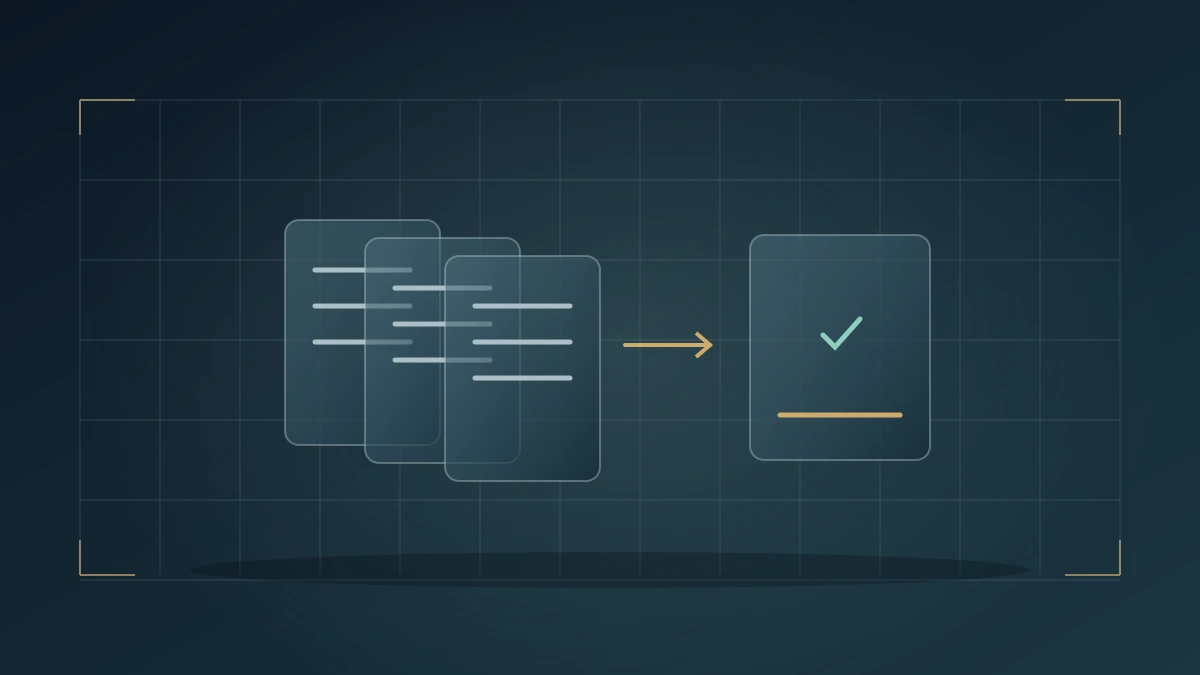
Original WFN vector illustrationWFN · 22 October 2026
Editorial noteSource-based explanation with original WFN analysis. Historical records retain their dates; numerical examples are illustrative. The original vector illustration is conceptual and is not documentary evidence.
WFN REALITY LEDGER
What is on the record?
Primary-source explainer
Primary-source explainer
Primary record / reference periodBIP 174 Deployed specification checked 22 October 2026; format and processing roles
The linked source supports the documented record; WFN interpretation and illustrative examples are separate.
BIP 174 separates the exchange of signing information, input finalisation and extraction of a network transaction. File transfer is not settlement evidence.
01 · VERIFIED RECORD
What the primary record establishes
BIP 174 has Deployed status and defines the Partially Signed Bitcoin Transaction format. It packages transaction information and signatures in key-value maps, allowing different signers and wallet tools to exchange the same transaction data. BIP 174 — Partially Signed Bitcoin Transaction Format, Deployed ↗
The specification distinguishes a combiner, an input finalizer and a transaction extractor. The extractor checks for completed input data before producing a network-serialised transaction. A PSBT may be represented as a binary file or Base64 string. BIP 174 — Partially Signed Bitcoin Transaction Format, Deployed ↗
02 · WFN EDITORIAL ANALYSIS
What the distinction changes
WFN’s operational conclusion is that receiving a signed file does not by itself establish broadcast, network acceptance or confirmation. These are later stages requiring their own evidence.
Partial signatures also need to refer to the same intended transaction. A workflow should not report success merely because a file opened correctly or several participants returned responses.
03 · REVIEW POINTS
What to check before drawing a conclusion
For a payment record, preserve the reviewed inputs, outputs, amounts and fee alongside signing status. Once a transaction is extracted and submitted, track its actual network outcome separately.
This explains the role of the format rather than a wallet-specific recovery procedure. The presence of a PSBT does not certify a coordinator or guarantee that all required signatures are present, that funds remain spendable, or that the payment has reached its recipient.