Full analysis selected. Choose Quick brief to read the key points first.
WFN QUICK BRIEF · UNDER 1 MIN
The short version
MODE 2 OF 2
What the primary record establishes
ERC-2981 has Final status and defines royaltyInfo(), which supplies a recipient and royalty amount for a specified sale price. It provides a common information interface that NFT marketplaces and other participants can use. ERC-2981 — NFT Royalty Standard, Final specification ↗
What the distinction changes
WFN therefore distinguishes a royalty quote from evidence of payment. A marketplace can retrieve the expected amount without that call proving that money subsequently reached the rights holder.
What to check before drawing a conclusion
When reviewing a marketplace’s claim, identify the supported contract, price input, recipient and actual payment evidence. Keep royalty discovery, calculation and settlement as separately verifiable steps.
Quick Brief is a reading aid. The full article and source trail stay on this page.
WFN STORY COMPASS
Choose your reading angle
Switch between the reported record, market context and open questions. Status labels distinguish claims from findings.
All context layers are visible. Choose a lens to jump to that part of the story.
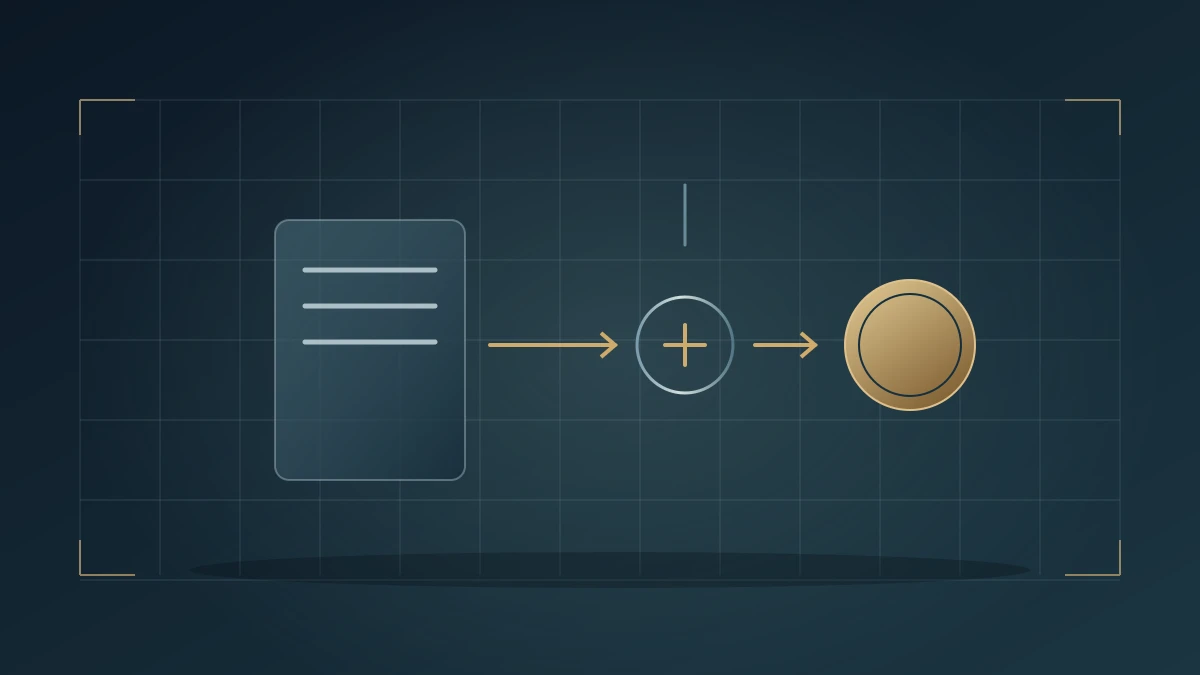
Original WFN vector illustrationWFN · 22 October 2026
Editorial noteSource-based explanation with original WFN analysis. Historical records retain their dates; numerical examples are illustrative. The original vector illustration is conceptual and is not documentary evidence.
WFN REALITY LEDGER
What is on the record?
Primary-source explainer
Primary-source explainer
Primary record / reference periodFinal royalty-information standard checked 22 October 2026
The linked source supports the documented record; WFN interpretation and illustrative examples are separate.
The NFT royalty standard identifies an amount and a recipient. Calling the interface is a different action from transferring funds to that recipient.
01 · VERIFIED RECORD
What the primary record establishes
ERC-2981 has Final status and defines royaltyInfo(), which supplies a recipient and royalty amount for a specified sale price. It provides a common information interface that NFT marketplaces and other participants can use. ERC-2981 — NFT Royalty Standard, Final specification ↗
The specification says royalty payments are voluntary and leaves the actual transfer mechanism outside this information interface. A token transfer is not necessarily a sale: moving an NFT between wallets does not by itself supply a sale price. ERC-2981 — NFT Royalty Standard, Final specification ↗
02 · WFN EDITORIAL ANALYSIS
What the distinction changes
WFN therefore distinguishes a royalty quote from evidence of payment. A marketplace can retrieve the expected amount without that call proving that money subsequently reached the rights holder.
The sale price and its denomination also belong to the calculation. A number obtained using one price input should not be displayed as a universal fixed royalty for every possible sale.
03 · REVIEW POINTS
What to check before drawing a conclusion
When reviewing a marketplace’s claim, identify the supported contract, price input, recipient and actual payment evidence. Keep royalty discovery, calculation and settlement as separately verifiable steps.
The standard improves interoperability without guaranteeing collection across every venue. This article does not infer legal ownership or an enforceable entitlement from interface support alone; those questions require their own documents and the circumstances of the transaction.