Full analysis selected. Choose Quick brief to read the key points first.
WFN QUICK BRIEF · UNDER 1 MIN
The short version
MODE 2 OF 2
What the primary record establishes
Kalshi’s documentation, updated 20 August 2026, describes dollar-price strings with up to four decimal places and contract-quantity strings with up to two. Integer-cent fields cannot represent sub-cent prices. Kalshi — Fixed-Point Representation, updated 20 August 2026 ↗
What the distinction changes
Representation and permission are separate. A system can parse “0.1234” accurately while that price remains outside a particular market’s grid. Rounding every input to whole cents can instead discard a valid finer price.
What to check before drawing a conclusion
WFN would preserve the original strings, apply decimal arithmetic and validate against the market’s current ranges. These are implementation review points; the article supplies no live market tick size or claim that one grid applies everywhere.
Quick Brief is a reading aid. The full article and source trail stay on this page.
WFN STORY COMPASS
Choose your reading angle
Switch between the reported record, market context and open questions. Status labels distinguish claims from findings.
All context layers are visible. Choose a lens to jump to that part of the story.
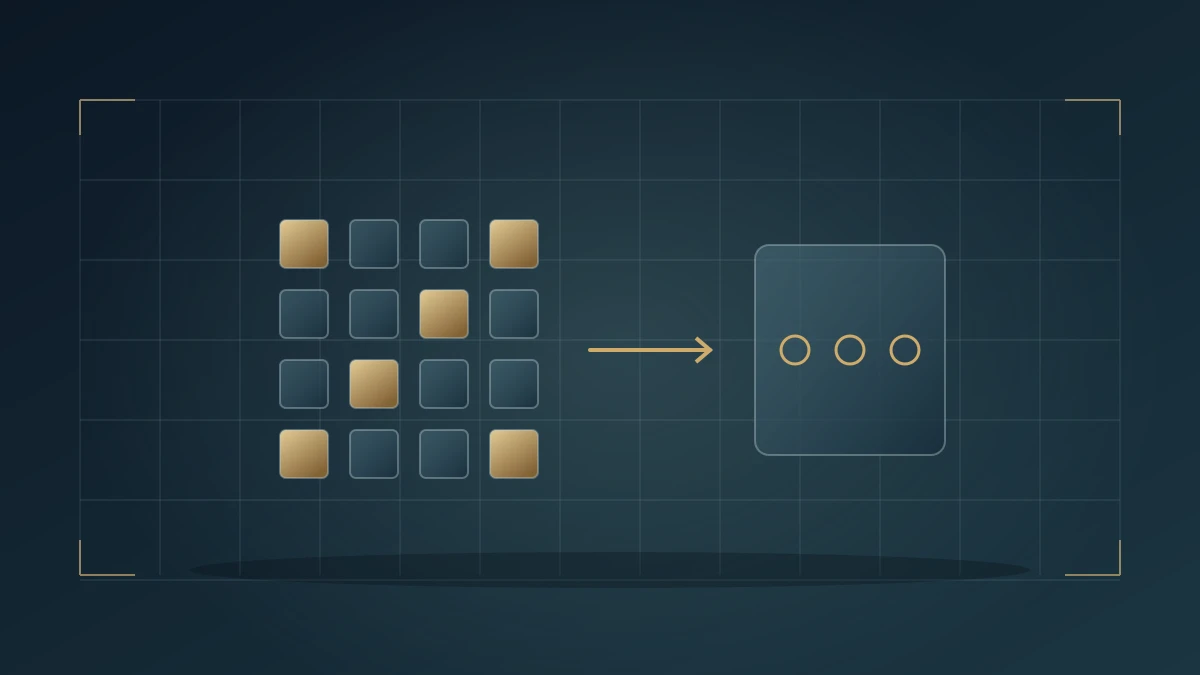
Original WFN vector illustrationWFN · 23 October 2026
Editorial noteSource-based explanation with original WFN analysis. Historical records retain their dates; numerical examples are illustrative. The original vector illustration is conceptual and is not documentary evidence.
WFN REALITY LEDGER
What is on the record?
Primary-source explainer
Primary-source explainer
Primary record / reference periodKalshi fixed-point API documentation updated 20 August 2026; checked 23 October
The linked source supports the documented record; WFN interpretation and illustrative examples are separate.
A price string can carry four decimal places without making every such price valid. The market’s price_ranges define the permitted steps.
01 · VERIFIED RECORD
What the primary record establishes
Kalshi’s documentation, updated 20 August 2026, describes dollar-price strings with up to four decimal places and contract-quantity strings with up to two. Integer-cent fields cannot represent sub-cent prices. Kalshi — Fixed-Point Representation, updated 20 August 2026 ↗
The documentation identifies price_ranges, an array of start, end and step bands, as the source of valid prices for each market. It recommends consuming those ranges dynamically rather than keying pricing logic to the price_level_structure label. Kalshi — Fixed-Point Representation, updated 20 August 2026 ↗
02 · WFN EDITORIAL ANALYSIS
What the distinction changes
Representation and permission are separate. A system can parse “0.1234” accurately while that price remains outside a particular market’s grid. Rounding every input to whole cents can instead discard a valid finer price.
Quantity precision needs independent treatment. An order or fill expressed as a fractional contract should not silently become an integer. The resulting notional changes even when the price is copied correctly.
03 · REVIEW POINTS
What to check before drawing a conclusion
WFN would preserve the original strings, apply decimal arithmetic and validate against the market’s current ranges. These are implementation review points; the article supplies no live market tick size or claim that one grid applies everywhere.
Price precision also does not describe a fee schedule or guarantee an execution. Confirm the relevant contract, current grid and fee rules before turning a technically valid price into an economic comparison.