FINRA 3210 treats an outside securities account as an employer-consent question
The rule addresses associated persons’ beneficial interests in outside accounts. It is different from the ordinary onboarding of an unaffiliated retail client.
The trigger is therefore not merely the presence of another brokerage app. Account capability, beneficial interest and the person’s relationship with the employer matter. The rule also contains exclusions for specified transactions and limited account types.
What to check before drawing a conclusion
A review should identify the owner and any presumed beneficial interest, the date of association, the type of institution and the securities permitted in the account. The current exclusions must be read rather than inferred from an account’s marketing name.
Quick Brief is a reading aid. The full article and source trail stay on this page.
WFN STORY COMPASS
Choose your reading angle
Switch between the reported record, market context and open questions. Status labels distinguish claims from findings.
All context layers are visible. Choose a lens to jump to that part of the story.
Original WFN vector illustrationWFN · 23 October 2026
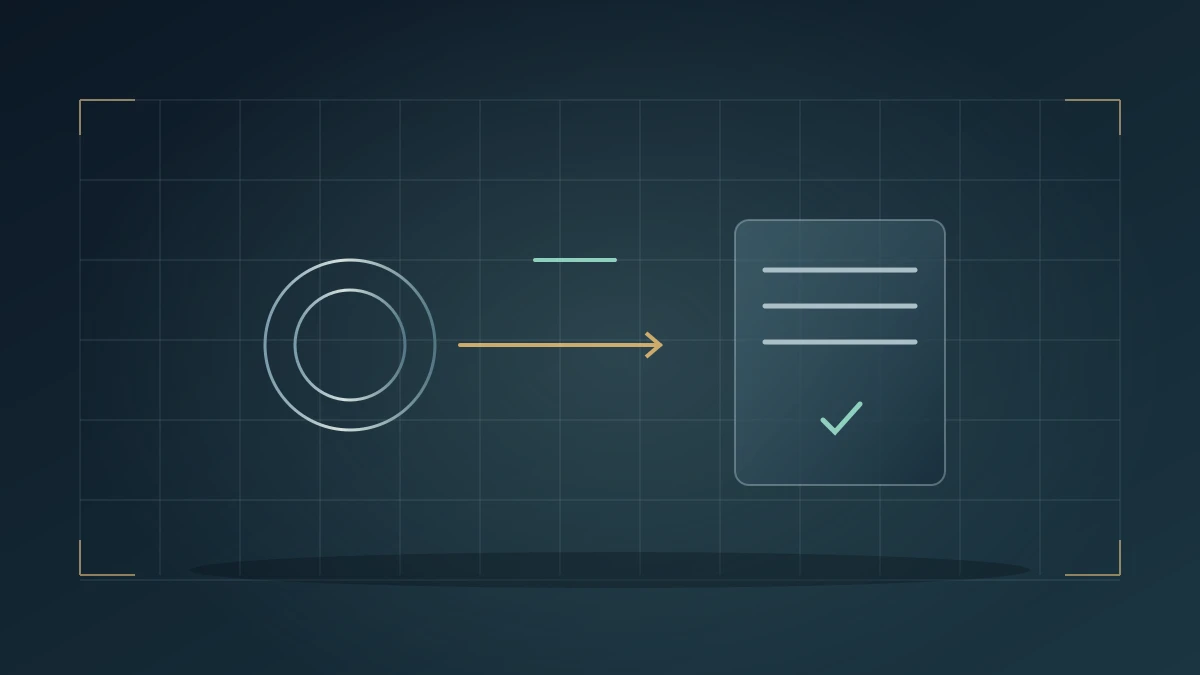
Editorial noteSource-based explanation with original WFN analysis. Historical records retain their dates; numerical examples are illustrative. The original vector illustration is conceptual and is not documentary evidence.
WFN REALITY LEDGER
What is on the record?
Primary-source explainer
Primary-source explainer
Primary record / reference periodCurrent FINRA Rule 3210 text checked 23 October 2026; associated-person accounts
The linked source supports the documented record; WFN interpretation and illustrative examples are separate.
The rule addresses associated persons’ beneficial interests in outside accounts. It is different from the ordinary onboarding of an unaffiliated retail client.
The person must notify the executing institution in writing of the affiliation. An executing FINRA member must provide duplicate confirmations and statements, or their transaction data, upon the employer member’s written request. Pre-existing accounts have a specified 30-calendar-day process after association begins. FINRA Rule 3210 — Accounts At Other Broker-Dealers and Financial Institutions ↗
02 · WFN EDITORIAL ANALYSIS
What the distinction changes
The trigger is therefore not merely the presence of another brokerage app. Account capability, beneficial interest and the person’s relationship with the employer matter. The rule also contains exclusions for specified transactions and limited account types.
WFN distinguishes permission from ongoing information access. A consent record answers whether the employer authorized the account; duplicate reporting answers how activity can be reviewed. One does not automatically prove the other.
03 · REVIEW POINTS
What to check before drawing a conclusion
A review should identify the owner and any presumed beneficial interest, the date of association, the type of institution and the securities permitted in the account. The current exclusions must be read rather than inferred from an account’s marketing name.
This is a description of the cited FINRA rule, not a requirement imposed on every ordinary customer or every overseas broker. The actual account facts and complete applicable text determine the assessment.