Full analysis selected. Choose Quick brief to read the key points first.
WFN QUICK BRIEF · UNDER 1 MIN
The short version
MODE 2 OF 2
What the primary record establishes
Under FINRA Rule 5320, a member holding an unexecuted customer equity order is generally prohibited from trading the same security on the same side for itself at a price that would satisfy that order, subject to the rule’s conditions and exceptions. FINRA Rule 5320 — Prohibition Against Trading Ahead of Customer Orders ↗
What the distinction changes
A review therefore needs a sequence of events, rather than just a daily total. A proprietary fill and a customer fill can coexist while leaving questions about timing, executable price and protected quantity.
What to check before drawing a conclusion
The supplementary material contains exceptions, including provisions for institutional or large orders and information barriers. Their conditions must be examined; an exception label alone is not evidence that its requirements were met.
Quick Brief is a reading aid. The full article and source trail stay on this page.
WFN STORY COMPASS
Choose your reading angle
Switch between the reported record, market context and open questions. Status labels distinguish claims from findings.
All context layers are visible. Choose a lens to jump to that part of the story.
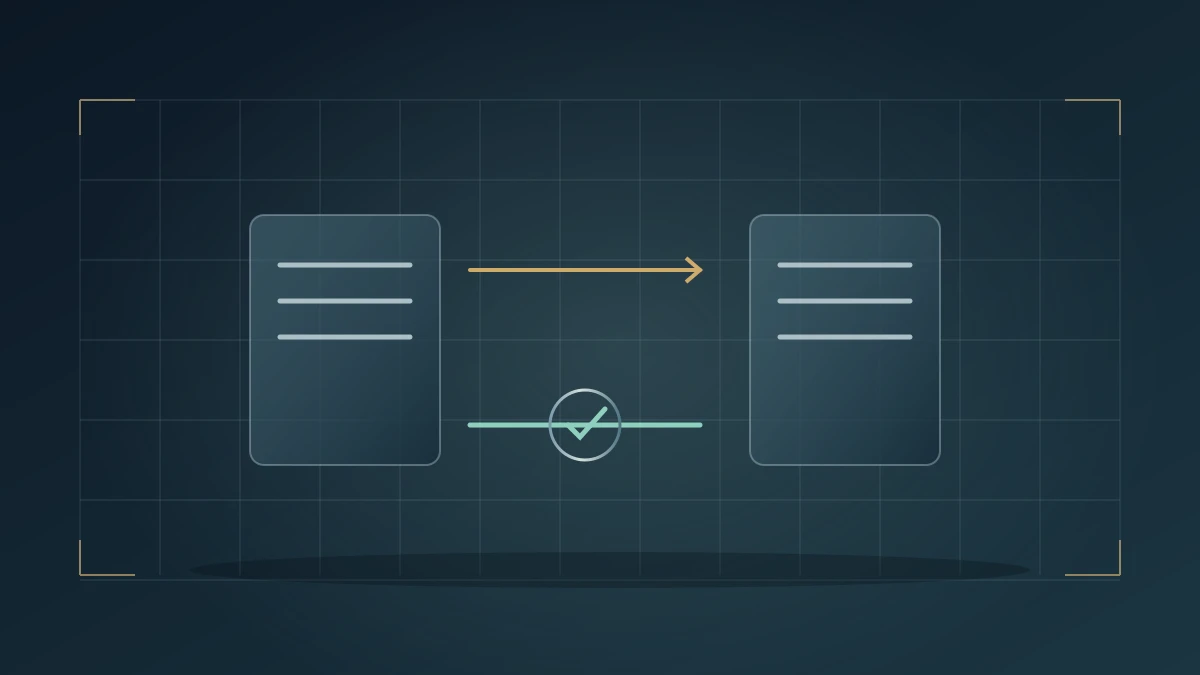
Original WFN vector illustrationWFN · 23 October 2026
Editorial noteSource-based explanation with original WFN analysis. Historical records retain their dates; numerical examples are illustrative. The original vector illustration is conceptual and is not documentary evidence.
WFN REALITY LEDGER
What is on the record?
Primary-source explainer
Primary-source explainer
Primary record / reference periodCurrent FINRA Rule 5320 text checked 23 October 2026; customer equity orders
The linked source supports the documented record; WFN interpretation and illustrative examples are separate.
The rule concerns customer equity-order protection. Its price, side, size and exception conditions matter more than the slogan “customers first”.
01 · VERIFIED RECORD
What the primary record establishes
Under FINRA Rule 5320, a member holding an unexecuted customer equity order is generally prohibited from trading the same security on the same side for itself at a price that would satisfy that order, subject to the rule’s conditions and exceptions. FINRA Rule 5320 — Prohibition Against Trading Ahead of Customer Orders ↗
The stated alternative requires immediate subsequent customer execution up to the proprietary trade’s size at the same or a better price. The rule also requires a written, consistently applied methodology for execution and pending-order priority. FINRA Rule 5320 — Prohibition Against Trading Ahead of Customer Orders ↗
02 · WFN EDITORIAL ANALYSIS
What the distinction changes
A review therefore needs a sequence of events, rather than just a daily total. A proprietary fill and a customer fill can coexist while leaving questions about timing, executable price and protected quantity.
WFN’s analytical focus is the matching condition: security, side, price and size must be compared before treating two trades as equivalent. An end-of-day average can conceal information necessary for that comparison.
03 · REVIEW POINTS
What to check before drawing a conclusion
The supplementary material contains exceptions, including provisions for institutional or large orders and information barriers. Their conditions must be examined; an exception label alone is not evidence that its requirements were met.
Retain the customer instruction, receipt time, proprietary execution and any customer allocation with the relevant disclosures. This is a source-based explanation of a U.S. equity rule, not a conclusion about a named broker or a universal retail-FX execution standard.