A broker can acquire shares at one price and satisfy a customer order at another. Under the circumstances described in FINRA's equity rules, that price arrangement can constitute a net transaction, with consequences for disclosure, consent and reporting. Correctly labelling the capacity is part of understanding the transaction's economics. FINRA — Rule 2124: Net Transactions with Customers ↗FINRA — Regulatory Notice 18-29; 12 September 2018 ↗
Identify the transaction before checking consent
The framework discussed here concerns FINRA member firms and the US equity transactions covered by the cited rules. It should not be automatically applied to a CFD quote or a different jurisdiction's dealing arrangement.
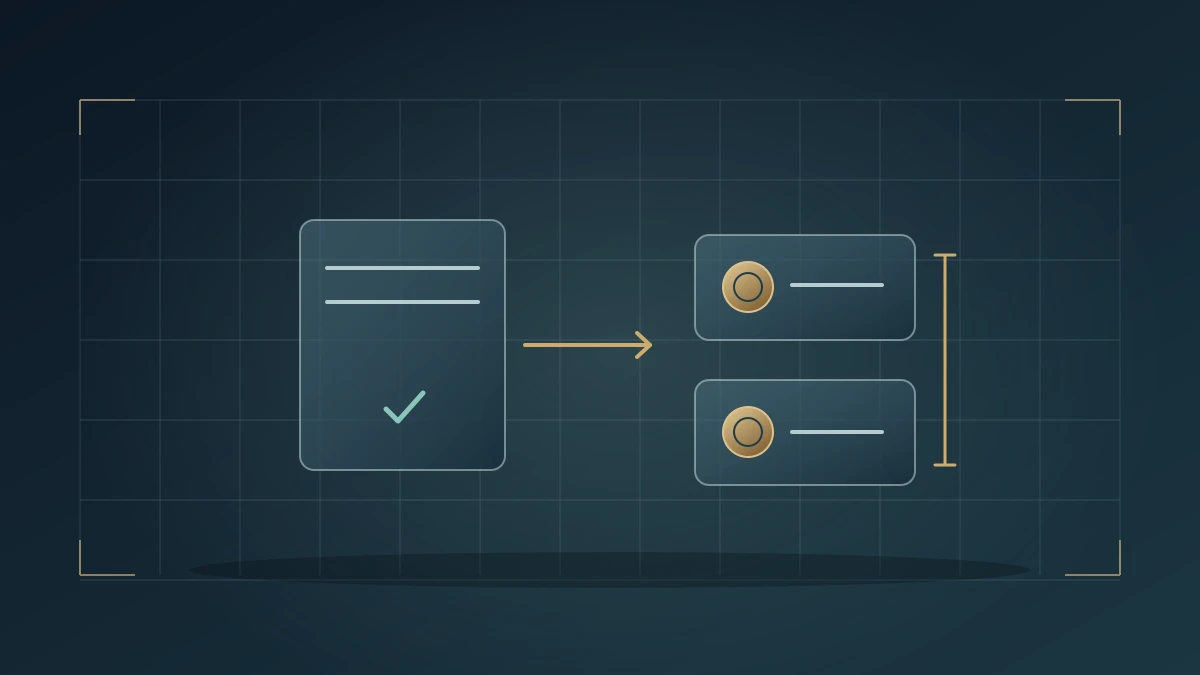
Rule 2124 defines a net transaction in terms of a market maker receiving an equity order, trading at one price and then satisfying the customer's order at a different price. For non-institutional customers within its scope, it requires written consent on an order-by-order basis before execution. Institutional-customer consent has additional permitted forms described in the rule. FINRA — Rule 2124: Net Transactions with Customers ↗
The operational implication is that an agreement must be linked to the applicable customer, order and terms. A generic statement that a client accepts trading risk does not identify the specific net-price arrangement being reviewed.
FINRA's 2018 notice also distinguishes the disclosure treatment of market makers from that of non-market-makers under the relevant SEC confirmation requirements. A firm's role needs to be established before a reviewer selects the compliance path. FINRA — Regulatory Notice 18-29; 12 September 2018 ↗
Keep both prices in the economic record
Consider an illustrative purchase of 500 shares at USD20.00 followed by a sale to the customer at USD20.03. The USD0.03 difference multiplied by 500 is USD15. That calculation isolates the difference between those two prices; it does not establish whether the transaction complied with best-execution, pricing or disclosure obligations.
A reviewer needs the original order, each execution, the customer price and any separately charged fees. If the system stores only one all-in total, it can become difficult to reconstruct which amount belongs to which step.
The same information matters when a firm compares execution outcomes. Assessing only the firm's acquisition price while omitting the price charged to the customer would leave the customer's actual result unmeasured.
Reporting classifications have precise boundaries
Notice 18-29 explains that an initial and offsetting equity transaction at different prices does not fit the same definition as a riskless-principal transaction executed at the same price under FINRA's equity trade-reporting rules. It describes different public reporting treatment for those arrangements and reminds firms that other pricing and best-execution duties continue to apply. FINRA — Regulatory Notice 18-29; 12 September 2018 ↗
The word riskless in a firm's internal description therefore cannot settle the reporting classification. Systems need the applicable definition, actual execution prices and customer capacity together.
For an operations review, a useful evidence chain runs from consent to order to executions to confirmation and reporting. Exceptions can then be explained at the level where they occurred. That approach gives the compliance team a specific transaction to assess and gives the customer an account of the price actually received, instead of relying on a broad label attached after the event.