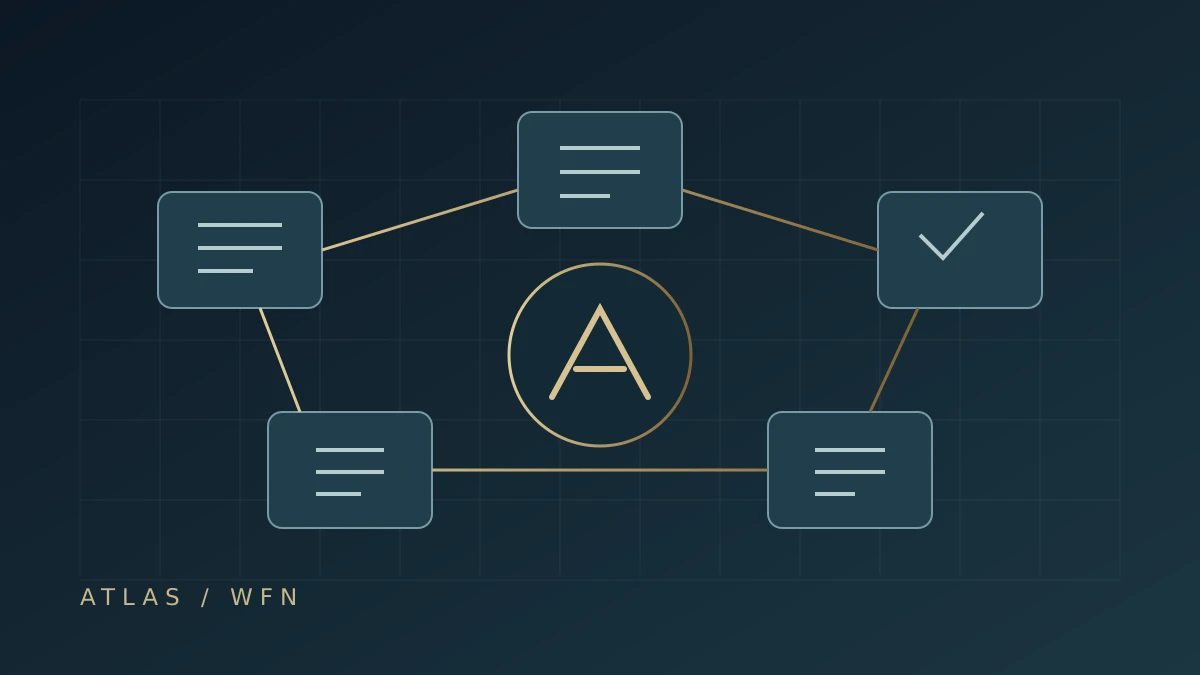
Launching brokerage infrastructure or another technology project requires several connected decisions: choosing a platform and CRM, finding servers, comparing proposals, setting a budget and organizing the team. Atlas brings these stages into one workspace, from the first search to acceptance and ongoing support.
The platform connects company and product discovery with selection, negotiations, tenders and project management. Customers can move from requirements to a chosen supplier while keeping agreements, documents, tasks and financial plans in the context of the project.
From supplier selection to delivery
The Atlas catalog covers companies, services, products and pricing plans. Categories, search and filters narrow the field, while selection takes requirements, technologies, budget and deadlines into account. Customers can compare two to four companies or commercial proposals.
Selected solutions can become a saved infrastructure plan covering the platform, CRM, servers and other suppliers. This gives the components of a future project a shared context before implementation starts.
Atlas supports requests for proposals, private correspondence and discussion of commercial terms. Competitive selection can use a public noticeboard or closed tender rounds with criteria, scores and a recorded decision process.
These tools help retain the reasons for choosing a supplier. Delivery can then continue through a project with a team, approvals, tasks, dependencies, a Gantt chart, templates and acceptance.
A workspace for teams and companies
Resource planning covers employee workload, working calendars, leave and allocation across projects. Workload forecasts help teams assess availability when planning additional work.
The financial workspace connects planned and actual figures, expenses, invoices, partial payments, reserves and approval routes. Changes can follow an internal request or bilateral agreement with the supplier, keeping scope, timing and budget connected.
Suppliers can receive restricted access to selected tasks and document versions. File versioning, resumable uploads, a PDF report and a complete project ZIP support the document workflow.
After acceptance, teams can manage support requests, response deadlines, renewals and reminders. The interaction history can continue throughout the operation of the delivered solution.
Personal accounts bring together favorites, working lists, My Day, a calendar and search. Subscriptions and saved searches support notifications and daily or weekly digests.
Company accounts provide representation, employees and permissions, materials, reviews, analytics and a request pipeline. Data exchange includes CSV/XLSX, APIs, signed webhooks and a separate MT5 CRM connector. Moderation, an activity log, diagnostics and verifiable backups support administration.
The main advantages of Atlas
- Shared working context. Discovery, proposals, supplier selection and delivery remain connected.
- Focused comparisons. Review two to four companies or proposals against requirements, budget and deadlines.
- A traceable selection process. Criteria, scores and a protocol preserve the basis of a tender decision.
- Delivery control. Tasks, dependencies, resources, approvals and acceptance organize the team’s work.
- Project-linked budgets. Planned and actual figures, invoices, payments and changes belong to the workflow.
- Controlled collaboration. Permissions, private correspondence and document versions organize supplier access.
- Continuity after delivery. Support, renewals and reminders keep the implemented solution in view.
- Everyday usability. Five languages, a mobile interface, themes and quick section search complement personal lists and notifications.