FINRA 3241: a customer’s trust role needs its own conflict review
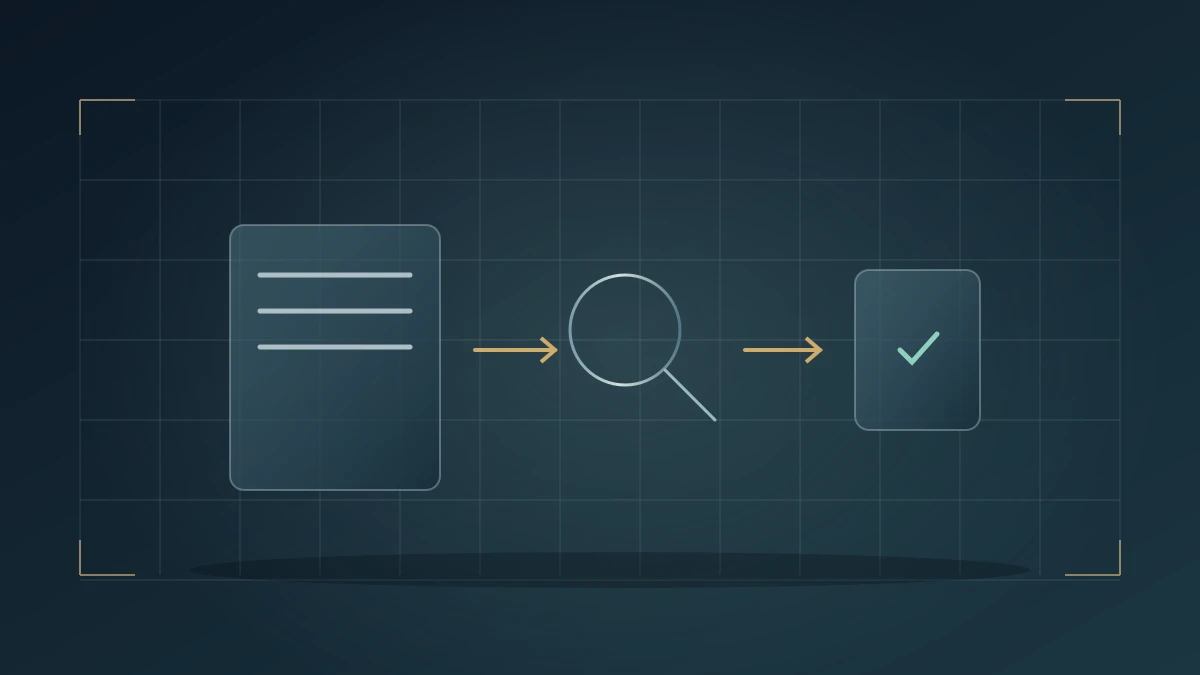
Beneficiary and fiduciary appointments involve a different workflow from ordinary account servicing. The firm needs to connect notice, assessment and written decision.
Full analysis selected. Choose Quick brief to read the key points first.
WFN QUICK BRIEF · UNDER 1 MIN
The short version
MODE 2 OF 2
What the primary record establishes
Rule 3241 requires notice and written approval for covered non-family beneficiary or trust roles. The firm assesses risks and may impose conditions or decline the role. FINRA Rule 3241 — Beneficiary and Positions of Trust ↗
What the distinction changes
WFN interpretation: a customer’s request and the firm’s approval are separate records. Treating an external appointment as a routine contact update can hide the conflict question that the assessment is meant to address.
What to check before drawing a conclusion
Where approval has conditions, compare later conduct with the conditions actually recorded. A review is difficult to supervise if the decision is saved but the operational restrictions never reach the relevant workflow.
Quick Brief is a reading aid. The full article and source trail stay on this page.
WFN STORY COMPASS
Choose your reading angle
Switch between the reported record, market context and open questions. Status labels distinguish claims from findings.
All context layers are visible. Choose a lens to jump to that part of the story.
Original WFN vector illustrationWFN · 2 November 2026
Editorial noteSource-based explanation with original WFN analysis. Historical records retain their dates; numerical examples are illustrative. The original vector illustration is conceptual and is not documentary evidence.
WFN REALITY LEDGER
What is on the record?
Primary-source explainer
Primary-source explainer
Primary record / reference periodExisting FINRA rule checked 2 November 2026
The linked source supports the documented record; WFN interpretation and illustrative examples are separate.
Beneficiary and fiduciary appointments involve a different workflow from ordinary account servicing. The firm needs to connect notice, assessment and written decision.
01 · VERIFIED RECORD
What the primary record establishes
Rule 3241 requires notice and written approval for covered non-family beneficiary or trust roles. The firm assesses risks and may impose conditions or decline the role. FINRA Rule 3241 — Beneficiary and Positions of Trust ↗
The rule defines immediate-family exceptions and addresses existing appointments. Applicability depends on those provisions, not merely on the label used by the parties. FINRA Rule 3241 — Beneficiary and Positions of Trust ↗
02 · WFN EDITORIAL ANALYSIS
What the distinction changes
WFN interpretation: a customer’s request and the firm’s approval are separate records. Treating an external appointment as a routine contact update can hide the conflict question that the assessment is meant to address.
A useful review identifies the role, proposed powers, benefits and relationship to the customer. The written decision should be traceable to those facts rather than represented only by a green status in a CRM.
03 · REVIEW POINTS
What to check before drawing a conclusion
Where approval has conditions, compare later conduct with the conditions actually recorded. A review is difficult to supervise if the decision is saved but the operational restrictions never reach the relevant workflow.
Read the full rule before classifying a particular appointment. This article explains an existing US control framework and does not determine inheritance rights, the validity of a power of attorney or the outcome of any individual dispute.