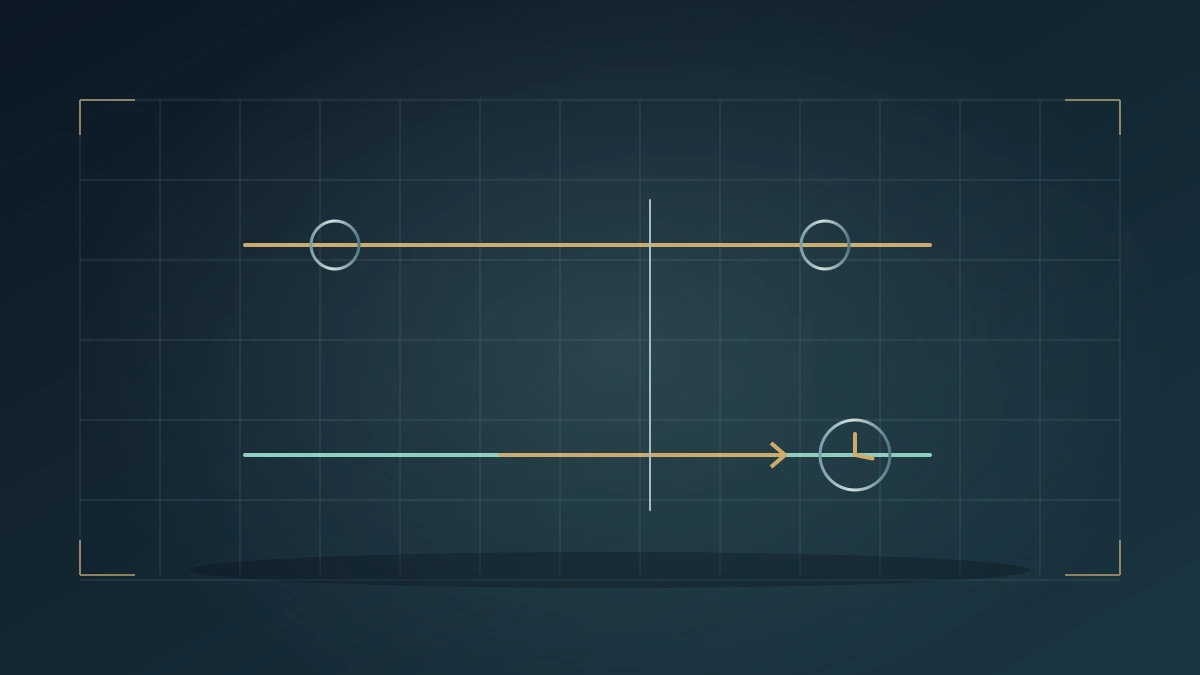
WFN interpretation: the meeting contains two policy decisions with different implementation clocks. A headline saying that everything was unchanged would miss the asset-sale decision; reporting immediate faster sales would miss its start date.
What to check before drawing a conclusion
Record the rate vote and the ETF vote separately in a calendar or policy dashboard. Their different voting patterns should not be collapsed into one measure of agreement about the whole meeting.
Quick Brief is a reading aid. The full article and source trail stay on this page.
WFN STORY COMPASS
Choose your reading angle
Switch between the reported record, market context and open questions. Status labels distinguish claims from findings.
All context layers are visible. Choose a lens to jump to that part of the story.
Original WFN vector illustrationWFN · 30 October 2026
Editorial noteSource-based explanation with original WFN analysis. Historical records retain their dates; numerical examples are illustrative. The original vector illustration is conceptual and is not documentary evidence.
WFN REALITY LEDGER
What is on the record?
Primary-source explainer
Primary-source explainer
Primary record / reference period30 October 2026 statement; ETF change starts January 2027
WFN interpretation: the meeting contains two policy decisions with different implementation clocks. A headline saying that everything was unchanged would miss the asset-sale decision; reporting immediate faster sales would miss its start date.
Book value is an accounting measure. Comparing the annual pace directly with a market-value holding or turnover number would mix valuation bases unless the conversion is stated and justified.
03 · REVIEW POINTS
What to check before drawing a conclusion
Record the rate vote and the ETF vote separately in a calendar or policy dashboard. Their different voting patterns should not be collapsed into one measure of agreement about the whole meeting.
For a yen assessment, compare each decision with an explicit pre-meeting benchmark and track implementation in later disclosures. The statement supports the announced settings and timing; it does not by itself establish a particular causal explanation for an exchange-rate change.