Full analysis selected. Choose Quick brief to read the key points first.
WFN QUICK BRIEF · UNDER 1 MIN
The short version
MODE 2 OF 2
What the primary record establishes
BIP 65, dated 1 October 2014, defines OP_CHECKLOCKTIMEVERIFY. The deployed change allows a script to enforce an absolute lock-time requirement through checks involving the transaction’s nLockTime and the spending input’s sequence value. Bitcoin BIPs — BIP 65: OP_CHECKLOCKTIMEVERIFY ↗
What the distinction changes
The useful distinction is between permission to spend and execution of a payment. Satisfying a time condition removes that particular obstacle; it does not provide signatures, construct a valid transaction or make someone publish it.
What to check before drawing a conclusion
WFN would inspect the actual script path, lock-time type and other spending requirements before describing funds as available. A wallet label should not be treated as a complete explanation of all conditions attached to an output.
Quick Brief is a reading aid. The full article and source trail stay on this page.
WFN STORY COMPASS
Choose your reading angle
Switch between the reported record, market context and open questions. Status labels distinguish claims from findings.
All context layers are visible. Choose a lens to jump to that part of the story.
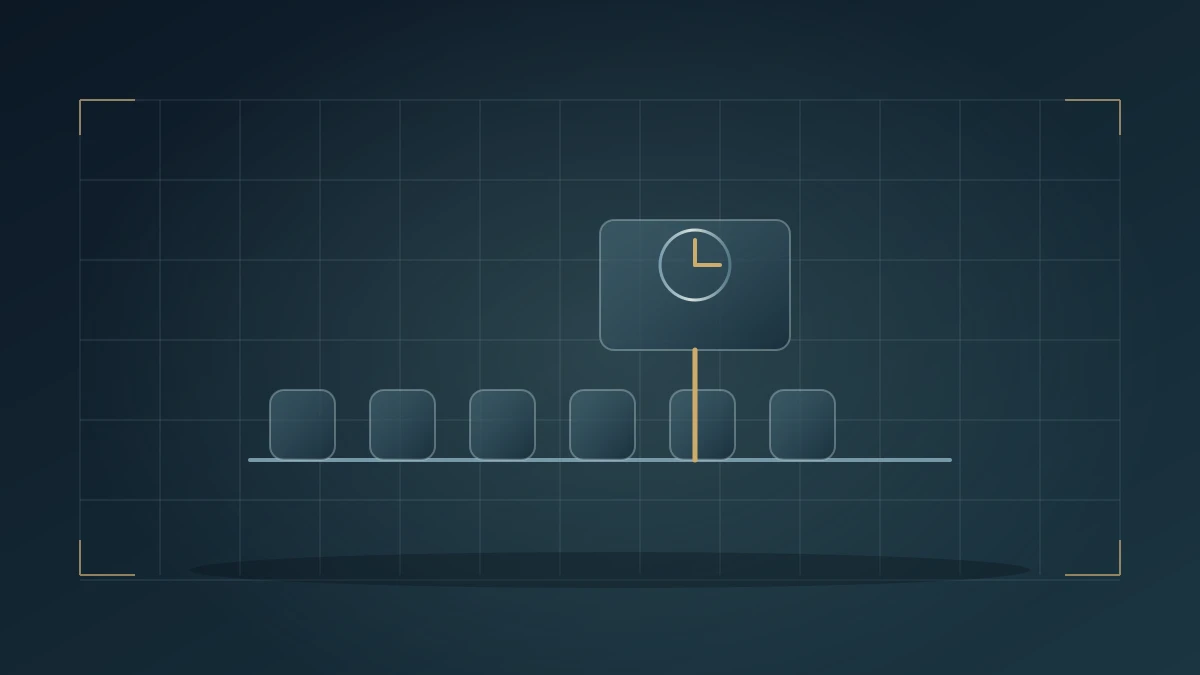
Original WFN vector illustrationWFN · 23 October 2026
Editorial noteSource-based explanation with original WFN analysis. Historical records retain their dates; numerical examples are illustrative. The original vector illustration is conceptual and is not documentary evidence.
WFN REALITY LEDGER
What is on the record?
Primary-source explainer
Primary-source explainer
Primary record / reference periodBIP 65, created 1 October 2014; deployed consensus change, checked 23 October 2026
The linked source supports the documented record; WFN interpretation and illustrative examples are separate.
CHECKLOCKTIMEVERIFY tests an absolute lock-time condition. Reaching a height or time does not itself create or broadcast a transaction.
01 · VERIFIED RECORD
What the primary record establishes
BIP 65, dated 1 October 2014, defines OP_CHECKLOCKTIMEVERIFY. The deployed change allows a script to enforce an absolute lock-time requirement through checks involving the transaction’s nLockTime and the spending input’s sequence value. Bitcoin BIPs — BIP 65: OP_CHECKLOCKTIMEVERIFY ↗
The script’s lock-time type must match the transaction’s height-or-timestamp type, and its value must not exceed nLockTime. A final input sequence value of 0xffffffff causes the specified check to fail. Bitcoin BIPs — BIP 65: OP_CHECKLOCKTIMEVERIFY ↗
02 · WFN EDITORIAL ANALYSIS
What the distinction changes
The useful distinction is between permission to spend and execution of a payment. Satisfying a time condition removes that particular obstacle; it does not provide signatures, construct a valid transaction or make someone publish it.
This also differs from a relative waiting period measured from an output’s confirmation. BIP 65 concerns an absolute height or time condition. Reporting every timelock as “wait this many blocks after deposit” changes the mechanism.
03 · REVIEW POINTS
What to check before drawing a conclusion
WFN would inspect the actual script path, lock-time type and other spending requirements before describing funds as available. A wallet label should not be treated as a complete explanation of all conditions attached to an output.
This is a historical protocol explanation, not an announcement of a new 2026 feature. A scheduled-payment claim needs evidence about the application that builds and submits the transaction, beyond the existence of a consensus timelock.