




How to Handle Setbacks in Forex Trading
Handling losses in Forex trading requires emotional discipline, risk management, and a structured trading plan. Successful traders accept losses as part of the process and focus on long-term strategy rather than short-term setbacks.
Losses are an unavoidable part of financial markets. Even the most experienced traders encounter losing trades, especially in the highly volatile and liquid global currency market.
However, the difference between long-term success and failure in Forex trading often lies not in the number of losses, but in how traders respond to them. Emotional reactions to setbacks can lead to impulsive decisions, increased risk-taking, and further financial damage.
Understanding the psychology of loss and developing structured responses to setbacks are essential skills for any trader.
However, the difference between long-term success and failure in Forex trading often lies not in the number of losses, but in how traders respond to them. Emotional reactions to setbacks can lead to impulsive decisions, increased risk-taking, and further financial damage.
Understanding the psychology of loss and developing structured responses to setbacks are essential skills for any trader.

How to Handle Setbacks in Forex Trading
Why Losses Are Inevitable in Forex Trading
The foreign exchange market is influenced by numerous unpredictable factors, including economic data releases, geopolitical events, and central bank policies.Even well-planned trades can fail when markets react unexpectedly to new information.
Major policy decisions from institutions like the Federal Reserve or the European Central Bank can quickly shift currency trends and invalidate technical setups.
Because of this uncertainty, no strategy can guarantee a 100% win rate. Losses are simply a statistical component of trading.
Emotional Reactions to Trading Losses
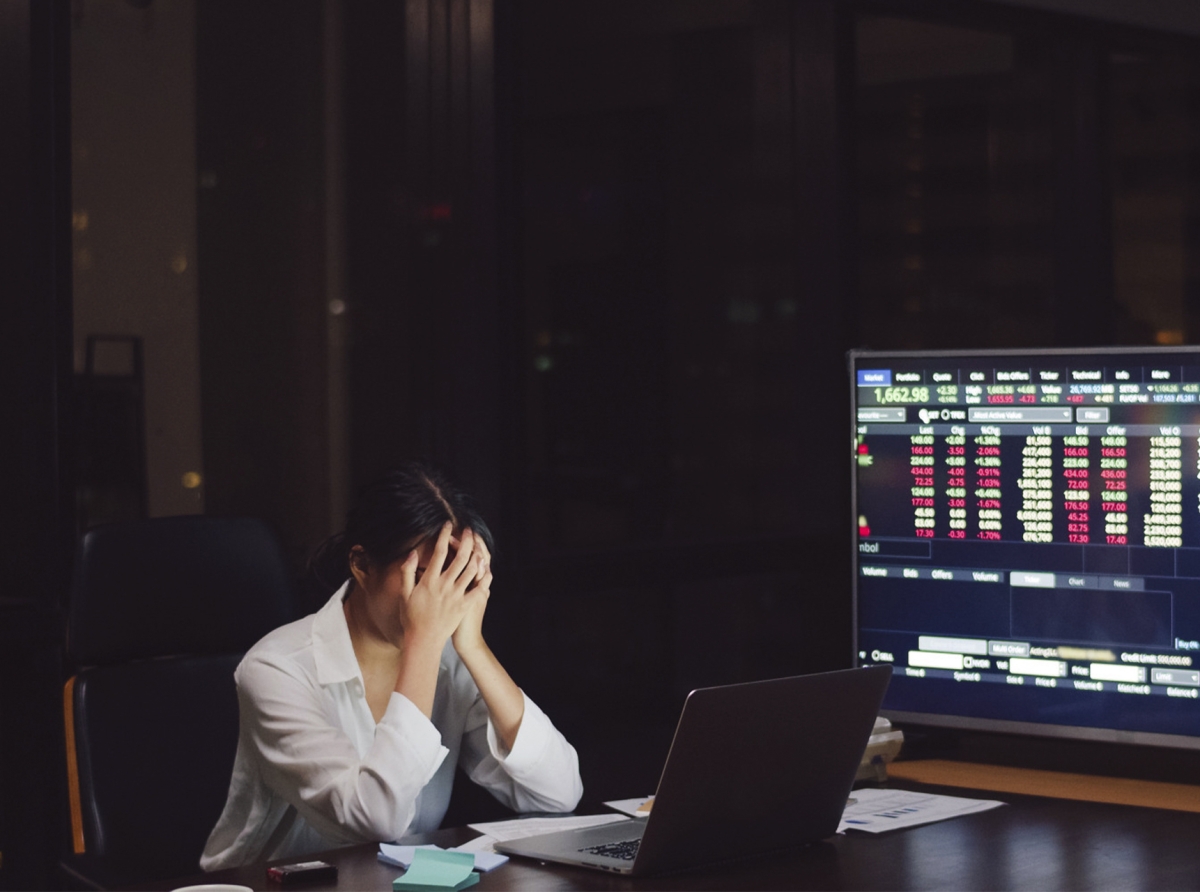
When traders experience losses, several psychological reactions commonly appear:Frustration — Traders feel the need to immediately recover the lost capital.
Fear — After a loss, traders may hesitate to enter new positions.
Overconfidence — Some traders increase position sizes in an attempt to recover losses faster.
These emotional responses can disrupt disciplined trading behavior and lead to a cycle of repeated mistakes.
Professional traders recognize these patterns and develop systems to control them.
The Risk of Revenge Trading
One of the most common psychological traps is revenge trading.After a losing trade, some traders immediately open new positions without proper analysis in an attempt to recover their losses. This behavior often leads to larger losses because decisions are driven by emotion rather than market analysis.
Revenge trading typically involves:
Increasing position size after losses
Ignoring risk management rules
Entering trades without a clear strategy
Maintaining strict discipline is essential to avoid this pattern.
Successful traders treat losses as part of a structured process rather than as personal failures.
Several practices can help manage setbacks effectively:
Define risk per trade
Many professional traders risk only 1–2% of their capital on a single trade.
Use stop-loss orders
Predefined exit levels prevent losses from growing uncontrollably during sudden market moves.
Keep a trading journal
Recording each trade helps identify recurring mistakes and improve strategy performance.
These practices transform losses into learning opportunities rather than emotional triggers.
Reframing Losses as Data
Professional traders analyze losses in the same way scientists analyze failed experiments.Instead of focusing on the financial result, they evaluate whether the trading decision followed the strategy rules.
If the strategy was executed correctly, the loss may simply reflect normal market variability.
This mindset helps traders maintain confidence in their systems while continuously refining their methods.
Forex markets can become especially volatile during economic announcements and geopolitical developments.
Events such as employment reports like Non-Farm Payrolls or interest rate decisions can trigger rapid price swings.
During these periods, traders often experience emotional pressure due to unpredictable price movements.
Maintaining discipline during such events requires adherence to predefined risk limits and avoiding impulsive trades.
The Long-Term Perspective
Professional trading success is measured over hundreds of trades, not individual outcomes.Even strategies with a modest success rate can be profitable if risk management and reward ratios are properly balanced.
For example, a strategy with a 50% win rate can still produce consistent profits if winning trades are larger than losing ones.
Adopting this long-term perspective reduces the emotional impact of individual losses.
Losses are a natural and unavoidable component of Forex trading. The key difference between successful and unsuccessful traders lies in how they respond to setbacks.
By controlling emotional reactions, maintaining disciplined risk management, and analyzing trading performance objectively, traders can transform losses into valuable learning experiences.
Developing psychological resilience is therefore just as important as technical analysis or market knowledge in achieving consistent success in the Forex market.
By controlling emotional reactions, maintaining disciplined risk management, and analyzing trading performance objectively, traders can transform losses into valuable learning experiences.
Developing psychological resilience is therefore just as important as technical analysis or market knowledge in achieving consistent success in the Forex market.
By Miles Harrington
March 16, 2026
Join us. Our Telegram: @forexturnkey
All to the point, no ads. A channel that doesn't tire you out, but pumps you up.
March 16, 2026
Join us. Our Telegram: @forexturnkey
All to the point, no ads. A channel that doesn't tire you out, but pumps you up.





Report
My comments