




Escalation in the Middle East: Airspace Closures, Intercepts and Warnings
Escalation in the Middle East: Airspace Closures, Intercepts and Warnings
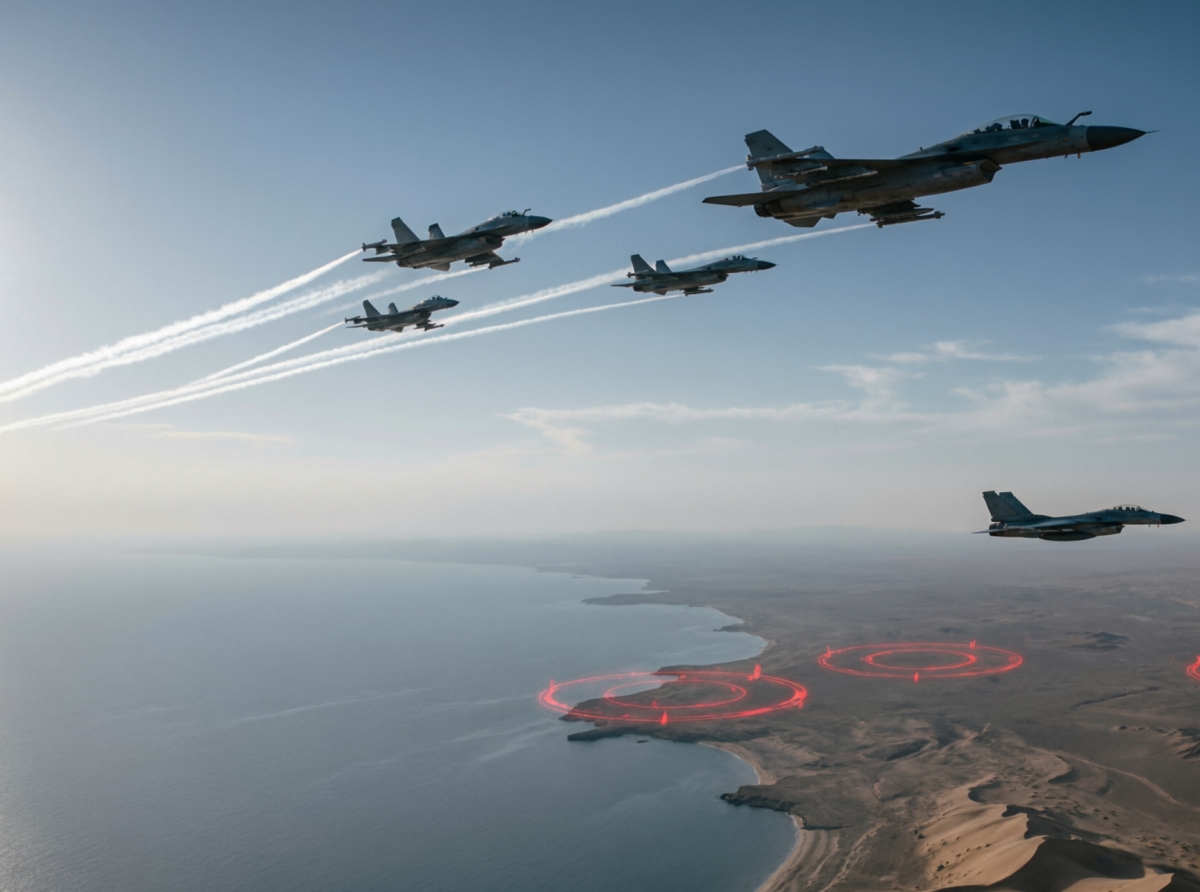
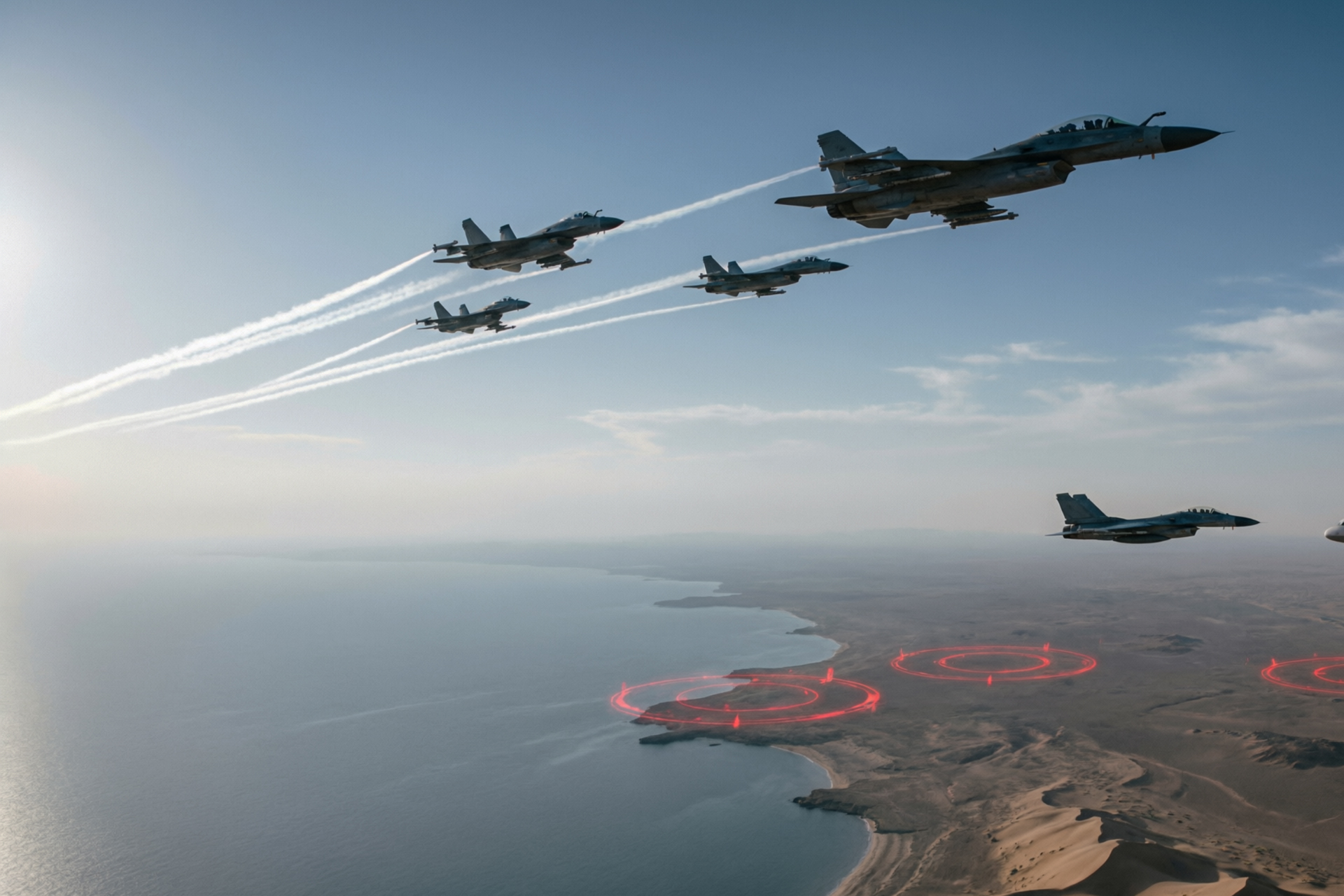
This week’s confrontation between the United States and Iran entered a new phase — after U.S. strikes on targets inside Iran several Gulf countries reported incoming threats and activated defensive measures. Kuwait temporarily closed its airspace citing “Iranian aggressions” and reported intercepting hostile aerial targets. Israel warned of launches from Lebanon toward communities in northern Israel.
What Happened
On Wednesday U.S. forces struck multiple targets inside Iran. CENTCOM said the strikes hit Iranian military surveillance capabilities, communications systems and air-defence sites that posed a threat to U.S. forces and international commercial shipping. CENTCOM reported the operation concluded late Wednesday night ET.Iranian state media and officials reported retaliatory strikes against U.S.-related targets at bases in Kuwait and Bahrain. Gulf states — including Kuwait and Bahrain — reported active air-defence responses and interceptions; Kuwait closed its airspace after reporting intercepted hostile aerial targets.
Simultaneously Israel’s Home Front Command warned of launches from Lebanon toward several communities in northern Israel, raising the risk of localized escalation along Israel’s northern border.
Escalation in the Middle East: Airspace Closures, Intercepts and Warnings
U.S. Rhetoric and Iranian Response
President Donald Trump publicly amplified pressure on Tehran, saying U.S. strikes would continue and urging Iran to sign a deal that, in U.S. terms, would be “meaningful and working.” Trump also said he had direct contacts with Iranian officials who asked him to stop strikes; he left open the possibility of further military actions.Iranian officials responded with hardline statements, including warnings that any further escalation “would not be limited to the region,” increasing geopolitical uncertainty.
Regional Reactions and Immediate Risks
Gulf states activated air defences; Bahrain reported intercepting and destroying aerial threats and urged civilians to shelter. Tehran reportedly closed the Strait of Hormuz to navigation and threatened to target vessels attempting to cross, according to state media reports — a development that, if sustained, would have major implications for global energy logistics.The overall pattern — strikes, rebuttals, interceptions and cross-border warnings — increases the risk of miscalculation and rapid spillover through proxies, local armed groups or unintended engagements.
Market and Economic Impact: Analysis and Forecasts
Short summary: the immediate market reaction has been higher oil prices and lower equity futures. If the confrontation remains limited and diplomacy reasserts control, market volatility should be short-lived. If hostilities persist or the Strait of Hormuz is effectively disrupted, expect sustained pressure on energy prices, widening risk premia across assets, and higher volatility indicators.
Detailed scenarios and forecasts:
Baseline — Short, contained escalation (probability: 40–50%)Assumptions: limited strikes, diplomatic backchannels produce a de-escalation within days; no sustained closure of shipping lanes.
Oil: Brent and WTI spike near-term (5–10%), then retrace; Brent average over next month $95–$105/bbl, WTI $90–$100/bbl.
Equities: Short-term risk-off: S&P futures down 2–4% intraday, then partial recovery within one to two weeks. Volatility (VIX) spikes 5–10 points then falls.
FX and EM: USD safe-haven flows push the dollar up modestly; EM currencies under mild pressure. Credit spreads widen slightly for EM sovereigns.
Trading/playbook: Reduce net long cyclical exposure, hedge oil price exposure with short-dated puts or buy-call spreads; prefer quality defensives and cash for opportunistic buys.
Adverse — Prolonged regional campaign without full state-to-state war (probability: 30–35%)
Assumptions: continued tit-for-tat strikes, periodic disruptions to regional ports/terminals, persistent threats to shipping through Hormuz, insurance costs and rerouting raise logistical costs.
Oil: Sustained supply-risk premium drives Brent toward $120–$140/bbl over 1–3 months if disruptions persist. WTI follows with a similar premium.
Equities: Global risk-off deepens; developed-market indices drop 8–15% depending on severity and duration. Energy stocks rally; airlines, logistics and trade-exposed names underperform.
Bonds: Safe-haven demand pushes U.S. Treasuries yields down; peripheral sovereign spreads widen. EM debt under pressure; CDS widen materially.
Tradeable ideas: Long crude via futures or ETFs, long energy producers with strong balance sheets, buy sovereign CDS for highly exposed EMs, consider protective collars on equity portfolios.
Severe — Broad conflict with shipping blockade (tail risk, probability: 10–20%)
Assumptions: Effective, prolonged closure of the Strait of Hormuz or direct combat involving multiple states; global supply chains severely impacted.
Oil: Risk of $150/bbl or higher in months if supply shocks are severe and inventories remain low.
Macro: Significant global recession risk as input-cost shock hits growth and consumer demand; sharp equity drawdowns, broad liquidity stress, potential for financial contagion in fragile EMs.
Policy: Central banks face trade-offs between inflation and growth; coordinated policy and strategic oil releases become likely.
Portfolio moves: Move to maximum risk-off: cash, high-quality sovereigns, short equities, and consider volatility hedges. Reassess commodity allocations and operational readiness for margin events.
Volatility and timing considerations
Near-term price moves will be driven by headlines and confirmation of supply disruptions. Oil inventories in many regions are currently low, magnifying price sensitivity to any sustained outages.Insurance rates and shipping reroutes add an immediate, persistent cost even if physical flows continue, impacting refining margins and regional trade economics.
Market participants should use shorter-dated options or layered hedges; avoid overexposure via long-dated directional bets until clarity emerges.
Impact by sector
Energy: Direct beneficiaries in mid-term; exploration & production and integrated majors may rally. However, refining and transport face margin compression if arbitrage routes close.
Industrials & shipping: Negative if Strait disruptions persist; higher fuel costs and longer routes hit margins.
Financials: Stress in EM exposures; banks with Gulf exposure vulnerable.
Precious metals: Gold likely to benefit as safe haven; silver may follow but with more industrial volatility.
What to do now — practical guidance for traders and asset managers
Hedge immediate directional risk in oil with short-dated options and staggered expiries. Avoid concentrated long-dated bullish exposure until supply risk is clearer.Use cash and high-quality liquid assets to preserve optionality. Consider tactical allocations to gold and selected energy equities with strong balance sheets.
For corporate risk managers: review logistics contingencies, rerouting costs, and insurance coverage for near-term shipments.
For longer-term investors: avoid panic reallocation. Map exposure to oil price sensitivity and EM Gulf counterparties; rebalance where exposures are misaligned with risk tolerance.
By Miles Harrington
June 11, 2026
Join us. Our Telegram: @forexturnkey
All to the point, no ads. A channel that doesn't tire you out, but pumps you up.
June 11, 2026
Join us. Our Telegram: @forexturnkey
All to the point, no ads. A channel that doesn't tire you out, but pumps you up.




Report
My comments