









Stablecoins as Money: Why the Debate Matters Now
Stablecoins as Money: Why the Debate Matters Now
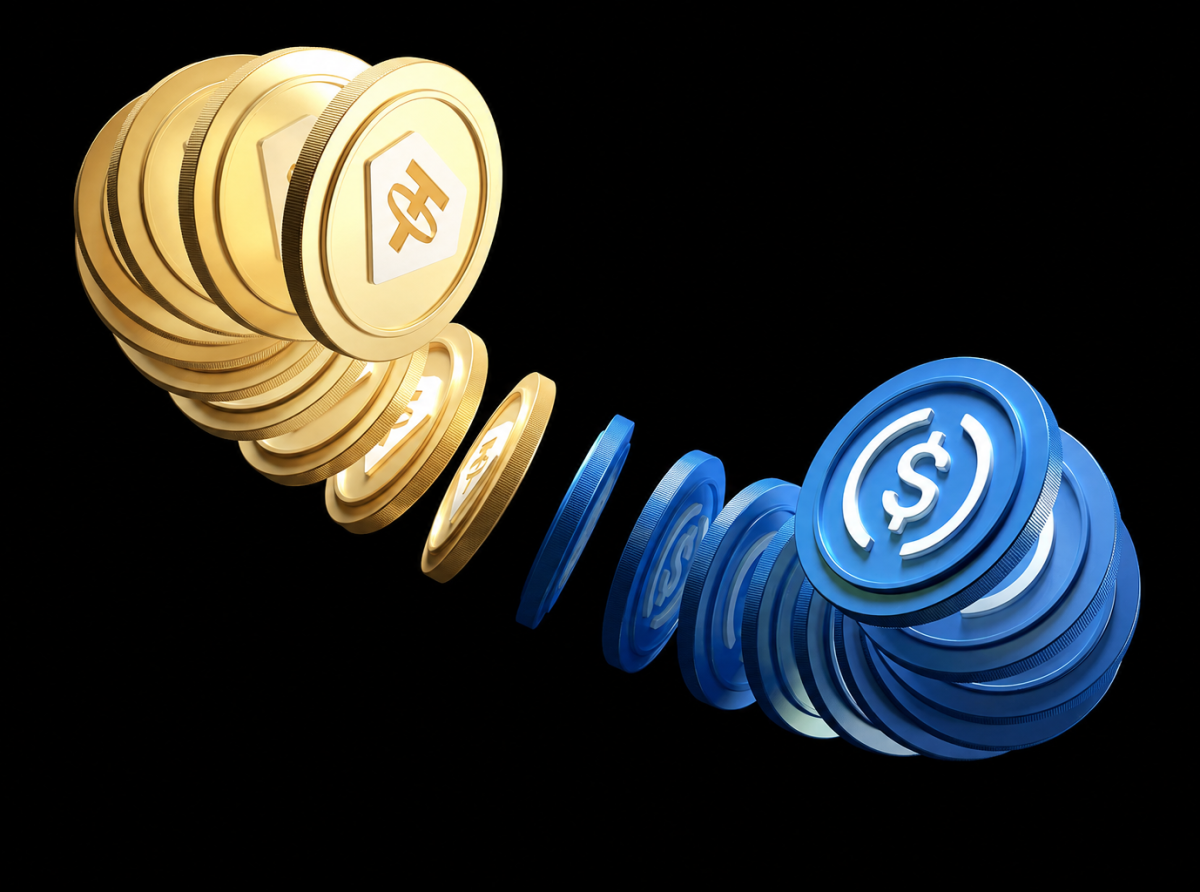
Stablecoins are no longer just a crypto convenience. They are increasingly treated as a payment instrument, a store of value, and a possible form of private money, especially as U.S. regulation, reserve rules, and cross-border use keep expanding.
What Stablecoins Really Are
A stablecoin is a digital token whose value is pegged to another asset, usually the U.S. dollar, so it avoids the sharp swings common in bitcoin and ether.That simple design is what makes stablecoins useful in everyday finance: people can move value quickly on blockchain rails while keeping a predictable dollar-like price.
Most stablecoins today are dollar-linked, which explains why they sit at the center of the broader debate about money, payments, and the role of the dollar in digital form.
The key issue is not whether stablecoins exist, but whether they should be viewed as money in a practical sense.
The more they are used for payments, remittances, trading, and cash-like settlement, the more they begin to function like money even if they are privately issued.
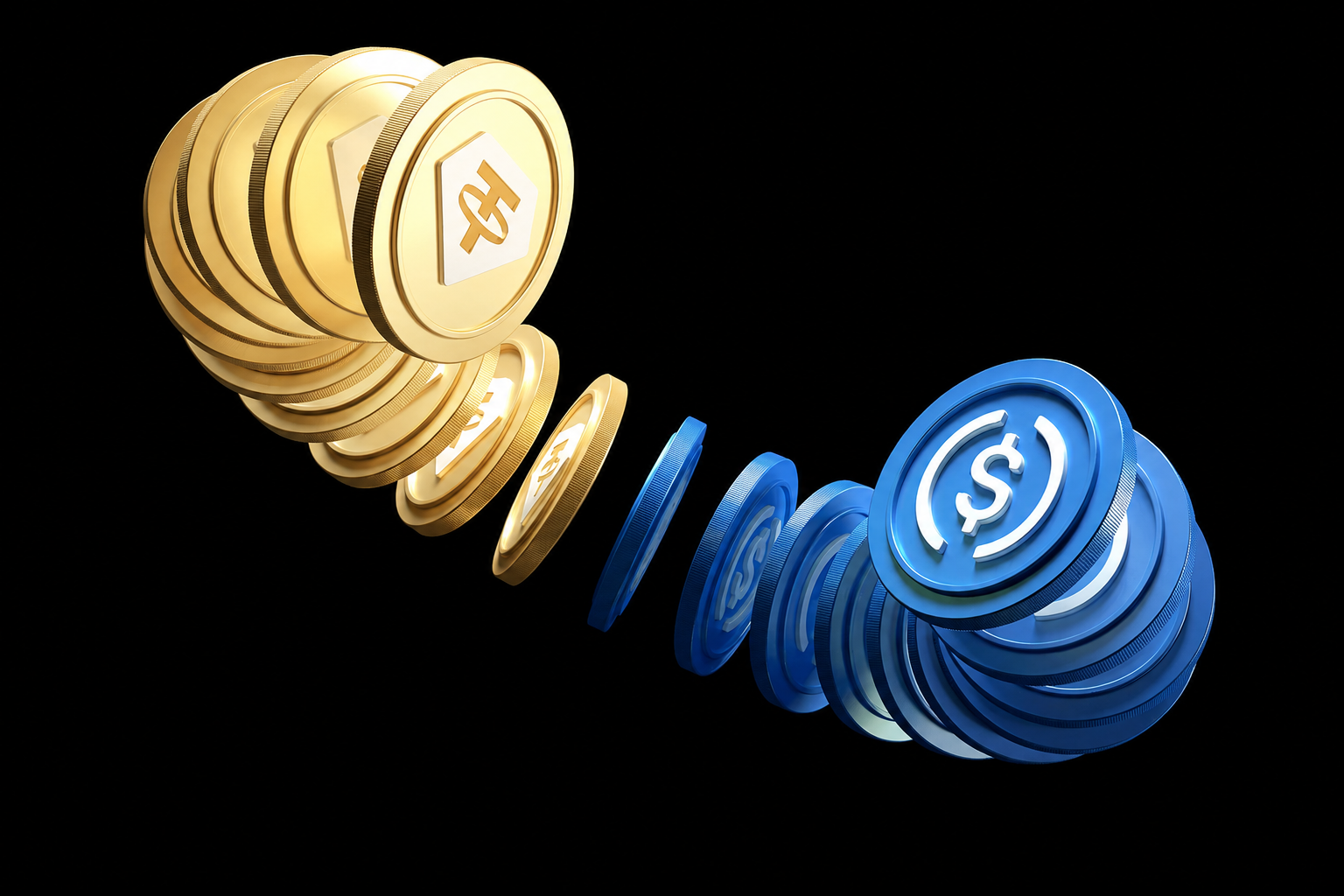
That is why policymakers are paying attention: stablecoins can move value faster than traditional banking rails, but they also raise questions about backing, redemption, liquidity, and trust.
Stablecoins as Money: Why the Debate Matters Now
Regulation Is Changing The Game
The U.S. GENIUS Act created a federal framework for stablecoins and requires one-to-one reserves in safe liquid assets, including cash and certain Treasury-related instruments.It also requires monthly reserve reporting and prohibits interest payments on stablecoins, which pushes them closer to a regulated payments product than a speculative crypto token.
That matters for Europe and Asia too, because once stablecoins become a regulated payment layer in the U.S., global firms will likely adapt their treasury, settlement, and exchange flows around that model.
Where Stablecoins Are Used
In practice, stablecoins are already used for crypto trading, cross-border payments, and protection against local currency instability.They are also becoming a bridge between volatile crypto assets and fiat money, which is why traders and fintech firms treat them as liquidity tools rather than just digital coins.
The Bank of England notes that stablecoins work like online money backed by reserve assets, which is a useful way to think about their real-world function.
| Function | Why it matters |
|---|---|
| Trading liquidity | Fast movement between crypto and fiat |
| Cross-border payments | Lower friction than traditional correspondent banking |
| Store of value | More stable than free-floating crypto assets |
| Private money model | Depends on reserves, redemption, and regulation |
What This Means For Markets
For traders and investors, the stablecoin story is about infrastructure, not hype.If stablecoins keep scaling, they could deepen crypto market liquidity, support faster settlement, and strengthen the dollar’s digital role in global payments.
The main risk is that confidence depends on reserve quality and redemption credibility, so any weakness there can quickly turn a “stable” instrument into a stress point.
Stablecoins are best understood as a new form of private digital money, with real payment utility and growing regulatory seriousness.
The debate is no longer theoretical: it now affects Treasury demand, cross-border finance, and the future architecture of money itself.
The debate is no longer theoretical: it now affects Treasury demand, cross-border finance, and the future architecture of money itself.
Written by Ethan Blake
Independent researcher, fintech consultant, and market analyst.
July 02, 2026
Join us. Our Telegram: @forexturnkey
All to the point, no ads. A channel that doesn't tire you out, but pumps you up.
Independent researcher, fintech consultant, and market analyst.
July 02, 2026
Join us. Our Telegram: @forexturnkey
All to the point, no ads. A channel that doesn't tire you out, but pumps you up.





Report
My comments