Prices, dollars and purchasing power
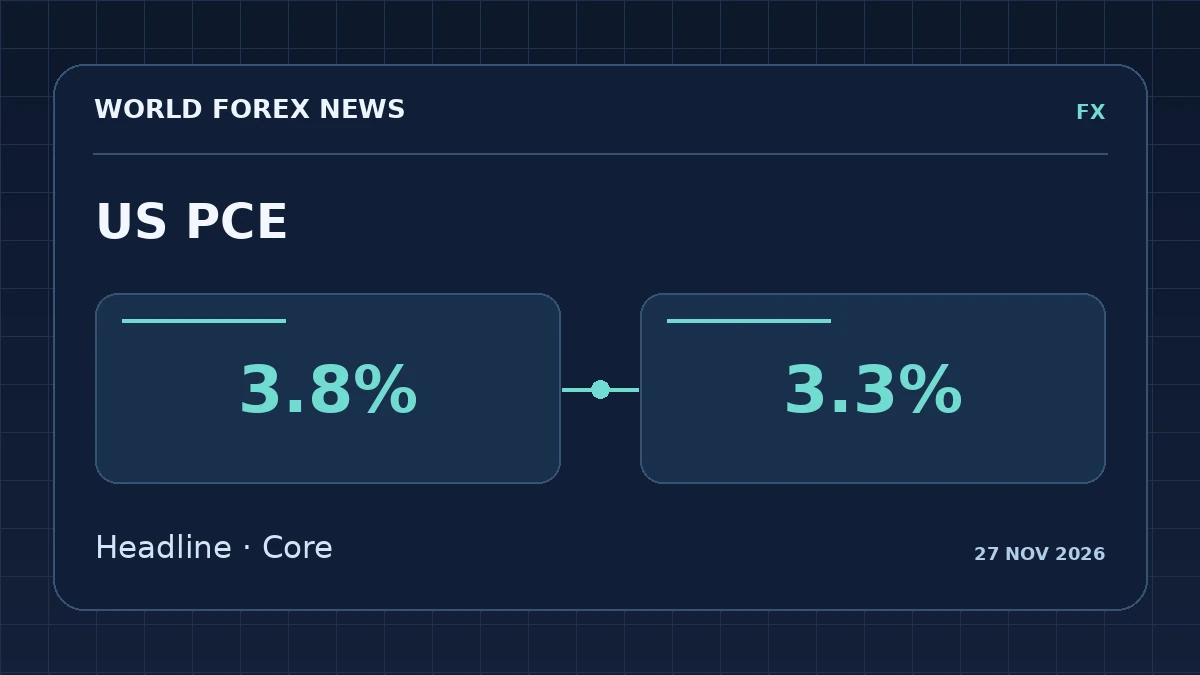
In the November 25 release, the BEA reported October PCE inflation of 3.8% year on year and 3.3% excluding food and energy. Both price indexes rose 0.3% from September. Current-dollar consumer spending also increased 0.3% in the rounded figures, while real spending recorded a monthly decline of less than 0.1%. BEA · Personal Income and Outlays ↗
Why the real measure matters
A household can spend more dollars while buying a slightly smaller quantity of goods and services. That is the distinction behind the nominal and real consumption lines in the release. Since the published monthly percentages are rounded, subtracting the rounded price increase from rounded spending growth can obscure a small change. Use the real series directly.
Keeping the periods straight
For a policy discussion, show the core monthly rate with its date and label the year-on-year headline rate separately. Use the same release vintage if comparing price and spending series. The October observation is a monthly reading. The third-quarter GDP estimate describes a different period, even though both reports appeared on November 25.