




The Environmental Footprint of Forex: How Trading Infrastructure Impacts the Climate
The Environmental Footprint of Forex: How Trading Infrastructure Impacts the Climate
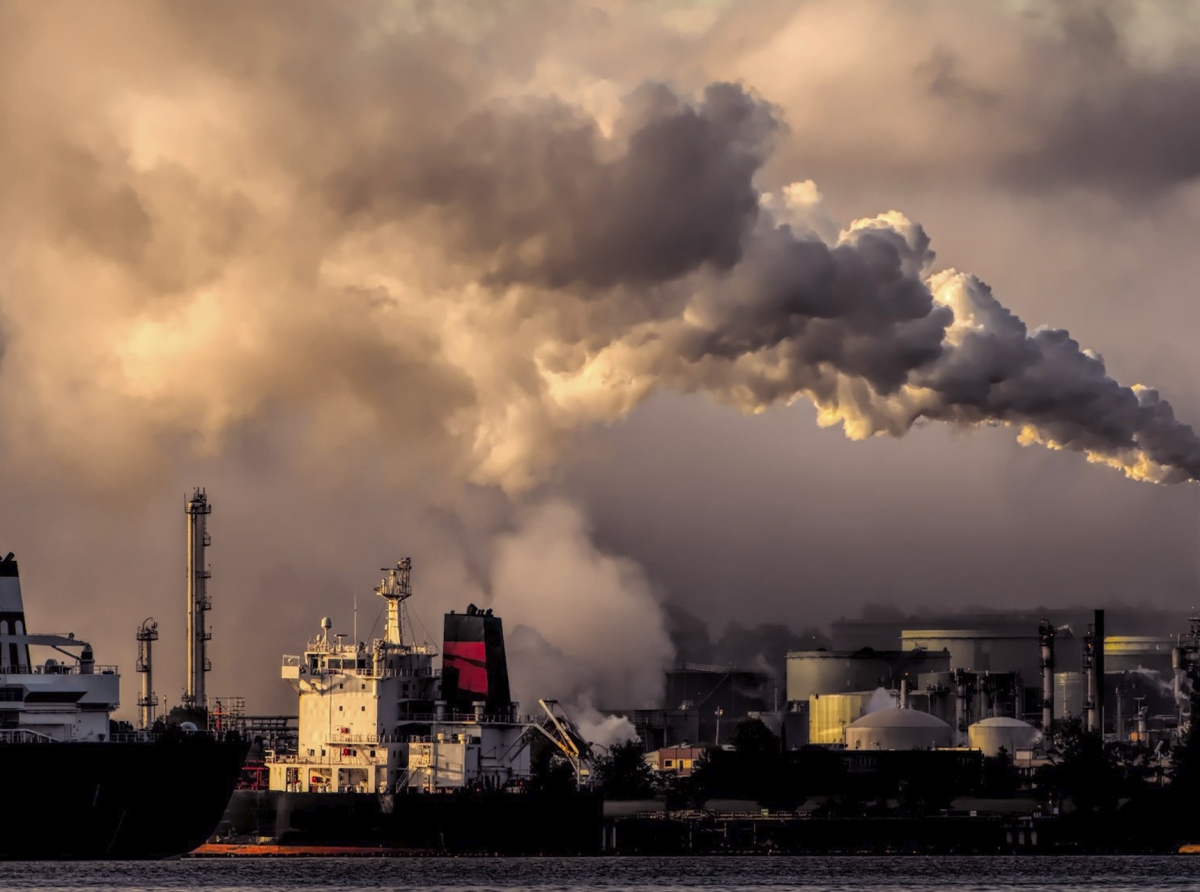
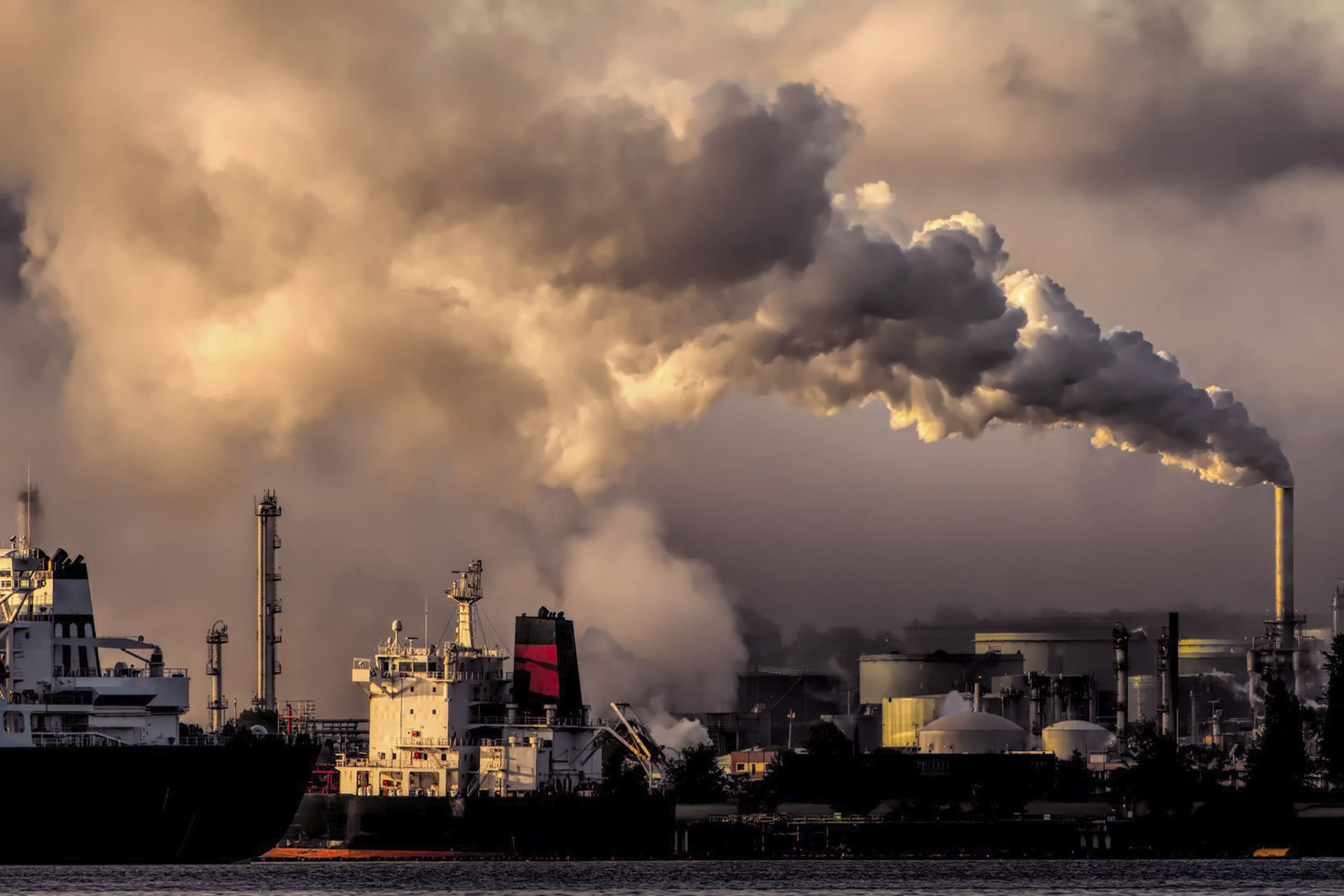
Forex trading itself does not emit carbon, but the global infrastructure behind it — data centers, high-frequency trading farms and crypto-related systems — generates a measurable environmental footprint. While a single FX trade has a small carbon cost, systemic effects scale with volume, latency competition and energy source choices, making sustainability a growing issue for modern financial markets.
Why Forex Has an экологический след — Even Without Factories
At first glance, Forex appears environmentally neutral. No ships, no factories, no physical goods. Just prices moving on screens.This perception is misleading.
Forex is one of the most technologically intensive markets on Earth, operating 24/5 with near-zero tolerance for latency. Every trade depends on electricity — and at scale, electricity means emissions.
The environmental footprint of Forex is indirect, but very real. It is embedded in infrastructure, not instruments.
The Environmental Footprint of Forex: How Trading Infrastructure Impacts the Climate
The Hidden Backbone: Data Centers Powering FX Liquidity
Every Forex trade relies on multiple layers of infrastructure:pricing engines, broker servers, liquidity providers, exchanges, cloud services, risk systems and backups.
Modern financial data centers are optimized for uptime and latency, not energy efficiency. They operate continuously, often with redundant power systems and cooling capacity.
From an environmental perspective, the key variable is energy source, not just consumption. A data center running on coal-heavy grids has a radically different footprint than one powered by renewables.
Even conservative models show that large financial data centers consume tens to hundreds of megawatts annually, comparable to small cities. Forex is only part of that load — but it is a persistent one.
HFT Farms: Speed as an Energy Multiplier
High-frequency trading (HFT) introduces a different dynamic.HFT firms compete on microseconds. This race drives:
Specialized hardware
Dense server co-location
Extreme cooling requirements
Each latency improvement demands disproportionate energy input. The faster the system, the higher the marginal energy cost.
Unlike long-term trading, HFT scales emissions with message flow, not trade size. Millions of order messages may result in only a handful of executed trades.
From an ecological standpoint, this is inefficient by design.
Crypto Mining as a Forex-Adjacent Emissions Source
While Forex itself is not mined, crypto assets increasingly interact with FX markets:stablecoins, crypto-FX pairs, on-ramps, off-ramps and hedging flows.
Crypto mining, especially proof-of-work systems, is among the most energy-intensive financial activities ever created. When crypto assets are used as currency substitutes or FX proxies, their carbon footprint becomes indirectly connected to currency markets.
This linkage matters for brokers, traders and institutions offering hybrid FX-crypto exposure.
Estimating the Carbon Footprint of One Forex Trade
Exact numbers are impossible, but order-of-magnitude estimates are feasible.Analytical assumption:
One FX trade touches broker server, LP matching engine, risk system and data storage
Energy per transaction: ~0.0005–0.002 kWh (data-center average estimate)
Depending on energy mix:
Coal-heavy grid: ~0.4–0.9 kg CO₂ per kWh
Renewable-heavy grid: ~0.02–0.05 kg CO₂ per kWh
This gives a rough estimate of 0.00001–0.001 kg CO₂ per trade.
Individually negligible. Systemically massive.
With millions of trades per day, the cumulative footprint becomes meaningful.
Why Retail Trading Is Not the Main Problem
Contrary to popular belief, retail traders are not the primary environmental drivers.The largest contributors are:
Ultra-low-latency HFT infrastructure
Redundant institutional systems
Always-on global pricing networks
A swing trader executing five trades a week is environmentally irrelevant compared to a system generating millions of messages per second.
This distinction matters when discussing responsibility.
“Green” Alternatives in Trading Infrastructure
Sustainable Forex is not about banning trading. It is about changing architecture.Several approaches already exist:
Some brokers and liquidity providers are migrating to renewable-powered data centers, particularly in Northern Europe and parts of North America.
Latency-neutral trading models reduce the incentive for energy-intensive HFT competition.
Batch processing and smarter order routing lower message volume without harming execution quality for non-HFT traders.
From the trader’s side, longer holding periods and lower turnover indirectly reduce infrastructure load — a small but real effect at scale.
The Regulatory Angle: ESG Pressure Is Coming
Environmental, Social and Governance (ESG) frameworks increasingly include digital infrastructure.While Forex has avoided scrutiny so far, that window is closing. As regulators examine the carbon cost of finance, trading venues and brokers will face pressure to disclose and reduce emissions.
The first movers will not do it for ethics alone — they will do it for capital access.
The Paradox: Forex as Both Problem and Solution
Forex markets finance global trade, capital flows and economic stability. Shutting them down is neither realistic nor desirable.The real issue is efficiency.
If the same liquidity can be provided with lower energy intensity, the ecological argument against Forex collapses.
As with aviation or cloud computing, the goal is optimization — not elimination.
Forex does not pollute directly. It pollutes quietly, through electrons.
The environmental footprint of trading is real, scalable and increasingly visible. A single trade is harmless. A global system optimized for speed at any cost is not.
The future of Forex will not be decided only by rates or geopolitics — but by how efficiently the market learns to power itself.
The environmental footprint of trading is real, scalable and increasingly visible. A single trade is harmless. A global system optimized for speed at any cost is not.
The future of Forex will not be decided only by rates or geopolitics — but by how efficiently the market learns to power itself.
By Miles Harrington
December 24, 2025
Join us. Our Telegram: @forexturnkey
All to the point, no ads. A channel that doesn't tire you out, but pumps you up.
December 24, 2025
Join us. Our Telegram: @forexturnkey
All to the point, no ads. A channel that doesn't tire you out, but pumps you up.





Report
My comments