



Orbital Refueling Breakthrough: “Space Octopus” Changes Satellite Economics
Orbital Refueling Breakthrough: “Space Octopus” Changes Satellite Economics
China's Hukeda-2 satellite demonstrates in-orbit refueling with flexible robotic arms, signaling a structural shift in space infrastructure, cost efficiency, and long-term satellite lifecycle management.
The space industry is entering a new phase, where the key resource is no longer launches but servicing orbital infrastructure. China's Hukeda-2 satellite is one of the first practical confirmations of this shift. Launched into orbit on March 16 from the Jiuquan Satellite Launch Center aboard a Kuaizhou-11 rocket, the spacecraft has already completed a refueling test in low-Earth orbit at an altitude of approximately 540 km. Astronomer Jonathan McDowell is tracking its movements , recording key changes in orbital activity.
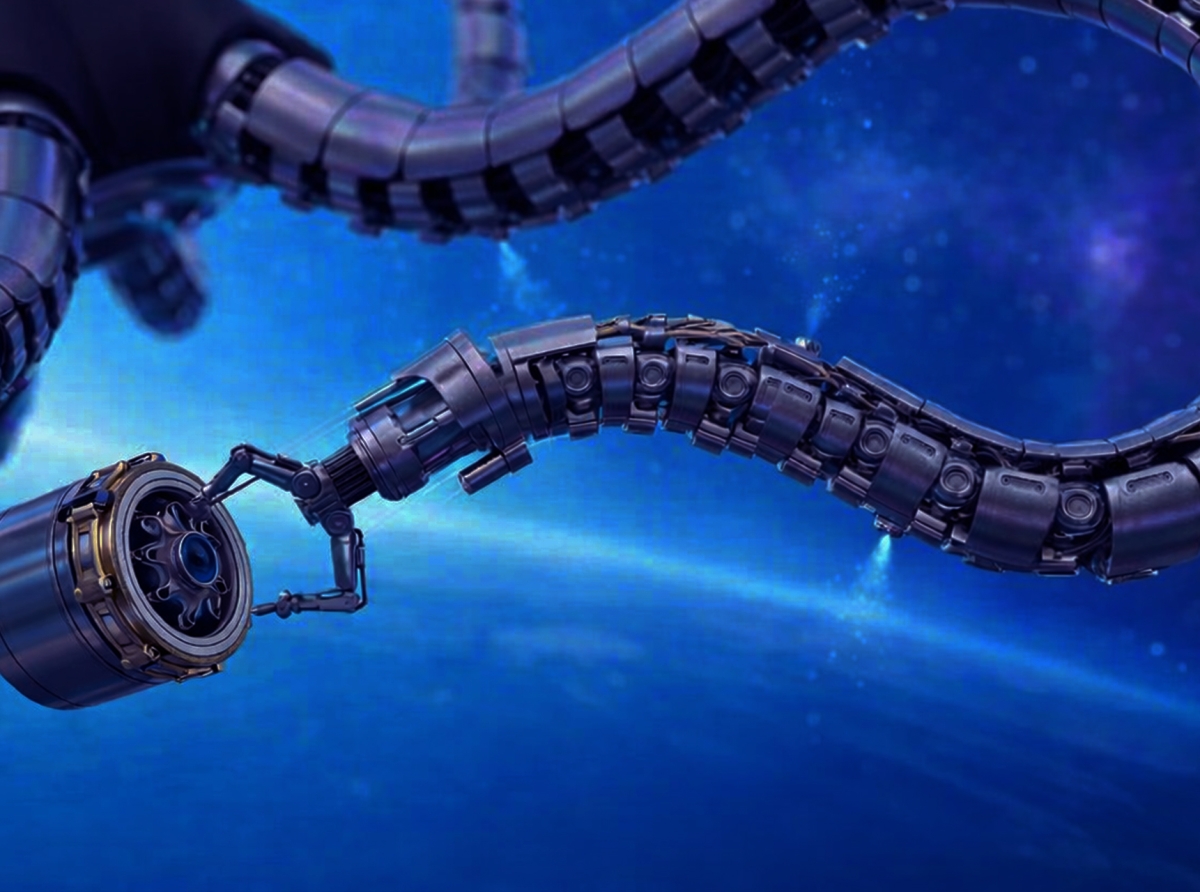
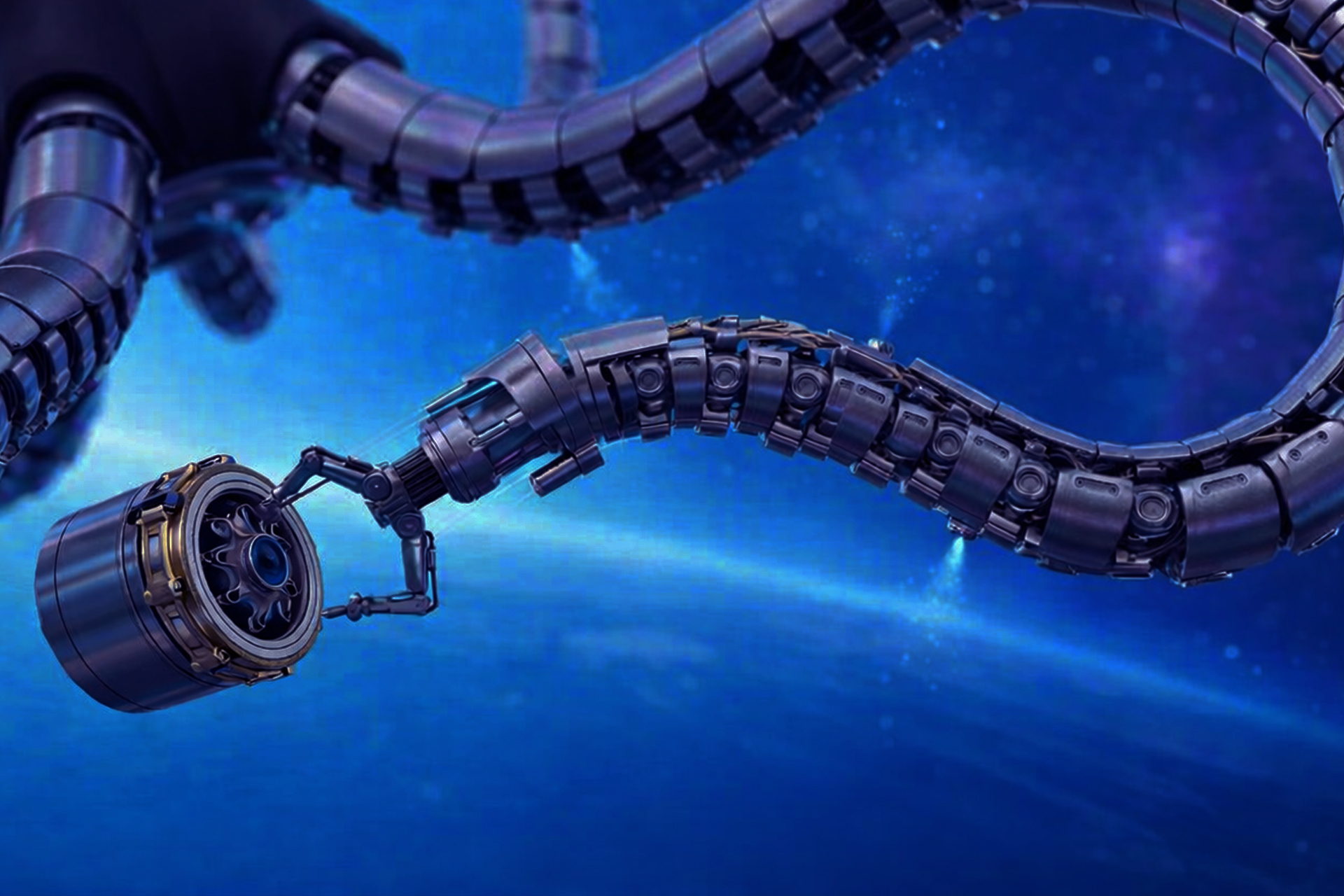
The satellite's key feature is its flexible robotic arm, reminiscent of a tentacle. It consists of segmented tubes with a cable system and actuators, allowing it to bend in virtually any direction. This solution is critical for space operations, where even the slightest error during rendezvous can lead to the loss of the satellite. Satellites travel at speeds of up to 27,000 km/h in orbit, requiring not only precision but also the ability to perform microcorrections in real time.
The satellite's key feature is its flexible robotic arm, reminiscent of a tentacle. It consists of segmented tubes with a cable system and actuators, allowing it to bend in virtually any direction. This solution is critical for space operations, where even the slightest error during rendezvous can lead to the loss of the satellite. Satellites travel at speeds of up to 27,000 km/h in orbit, requiring not only precision but also the ability to perform microcorrections in real time.
Orbital Refueling Breakthrough: “Space Octopus” Changes Satellite Economics
The first test, reported by Chinese state media on March 24, confirmed the system's functionality. The robotic arm successfully docked with the satellite's refueling port, a standard practice during the technology development phase. This approach allows for testing precision, stability, and control algorithms before moving on to actual operations between different satellites.
This launch is not an isolated achievement. In 2025, China already demonstrated the ability to transfer fuel between satellites, when the Shijian-25 spacecraft refueled the Shijian-21 in geostationary orbit. Thus, Hukeda-2 represents the next step in technological development, aimed at increasing the flexibility and versatility of orbital operations.
The economic significance of such solutions is difficult to overestimate. In the current model, a satellite loses functionality after exhausting its fuel, even if all other systems remain operational. This necessitates the launch of new satellites, increasing costs and increasing the load on orbit. Refueling technology changes this approach, extending satellite lifespans and optimizing operators' capital expenditures.
This launch is not an isolated achievement. In 2025, China already demonstrated the ability to transfer fuel between satellites, when the Shijian-25 spacecraft refueled the Shijian-21 in geostationary orbit. Thus, Hukeda-2 represents the next step in technological development, aimed at increasing the flexibility and versatility of orbital operations.
The economic significance of such solutions is difficult to overestimate. In the current model, a satellite loses functionality after exhausting its fuel, even if all other systems remain operational. This necessitates the launch of new satellites, increasing costs and increasing the load on orbit. Refueling technology changes this approach, extending satellite lifespans and optimizing operators' capital expenditures.
China views this technology as a key element of its Qianfan satellite constellation, which is being developed as an alternative to SpaceX and its Starlink system . Currently, there are approximately 108 Qianfan satellites in orbit, and by 2030, up to 15,000 satellites are planned to be deployed. At this scale, servicing becomes not an optional feature, but a mandatory part of the infrastructure.
The contrast in approaches is clear. SpaceX relies on frequent launches and rapid satellite replacement using the Falcon 9 rocket, while the Chinese model focuses on extending the lifecycle of existing satellites. In terms of capital efficiency, both approaches have their advantages, but advances in servicing technologies could tip the balance in favor of more sustainable solutions.
In addition to refueling, Hukeda-2 is also testing another critical function: controlled deorbit. At the end of the mission, the satellite is scheduled to deploy an inflatable balloon approximately 2.5 meters in diameter, which will increase atmospheric drag and accelerate its degradation. This solution is aimed at reducing the amount of space debris, which is becoming one of the main threats to orbital infrastructure.
The problem of low-orbit congestion is exacerbated by the growing number of satellites. Inoperative satellites take up space and increase the risk of collisions, which could lead to chain reactions and the destruction of orbital systems. An additional factor is the environmental impact. Research shows that when satellites burn up in the atmosphere, metallic particles are formed, the impact of which on the climate and ecosystem is still poorly understood.
From a market and investor perspective, the development of orbital service technologies opens a new segment of the space economy. This involves not only satellite launches but also the creation of a comprehensive infrastructure for their maintenance, repair, and disposal. This area could become a growth driver for aerospace companies and related industries in 2026–2030.
The contrast in approaches is clear. SpaceX relies on frequent launches and rapid satellite replacement using the Falcon 9 rocket, while the Chinese model focuses on extending the lifecycle of existing satellites. In terms of capital efficiency, both approaches have their advantages, but advances in servicing technologies could tip the balance in favor of more sustainable solutions.
In addition to refueling, Hukeda-2 is also testing another critical function: controlled deorbit. At the end of the mission, the satellite is scheduled to deploy an inflatable balloon approximately 2.5 meters in diameter, which will increase atmospheric drag and accelerate its degradation. This solution is aimed at reducing the amount of space debris, which is becoming one of the main threats to orbital infrastructure.
The problem of low-orbit congestion is exacerbated by the growing number of satellites. Inoperative satellites take up space and increase the risk of collisions, which could lead to chain reactions and the destruction of orbital systems. An additional factor is the environmental impact. Research shows that when satellites burn up in the atmosphere, metallic particles are formed, the impact of which on the climate and ecosystem is still poorly understood.
From a market and investor perspective, the development of orbital service technologies opens a new segment of the space economy. This involves not only satellite launches but also the creation of a comprehensive infrastructure for their maintenance, repair, and disposal. This area could become a growth driver for aerospace companies and related industries in 2026–2030.
Hukeda-2 demonstrates that the space industry is shifting from a single-use model to a servicing and life-extension model. Flexible manipulators, orbital refueling, and deorbit technologies are shaping a new architecture for the space economy. With the rapid growth of satellites, such solutions are becoming not an innovation but a necessity.
By Jake Sullivan
April 10, 2026
Join us. Our Telegram: @forexturnkey
All to the point, no ads. A channel that doesn't tire you out, but pumps you up.
April 10, 2026
Join us. Our Telegram: @forexturnkey
All to the point, no ads. A channel that doesn't tire you out, but pumps you up.





Report
My comments