




Atlas Steps Onto the Stage: Why Boston Dynamics' Humanoid Debut Signals a New Phase of the Robot
Atlas Steps Onto the Stage: Why Boston Dynamics' Humanoid Debut Signals a New Phase of the Robot
Boston Dynamics' first live public demonstration of its humanoid robot Atlas marks a shift from speculative demos and edited videos to real-world accountability,
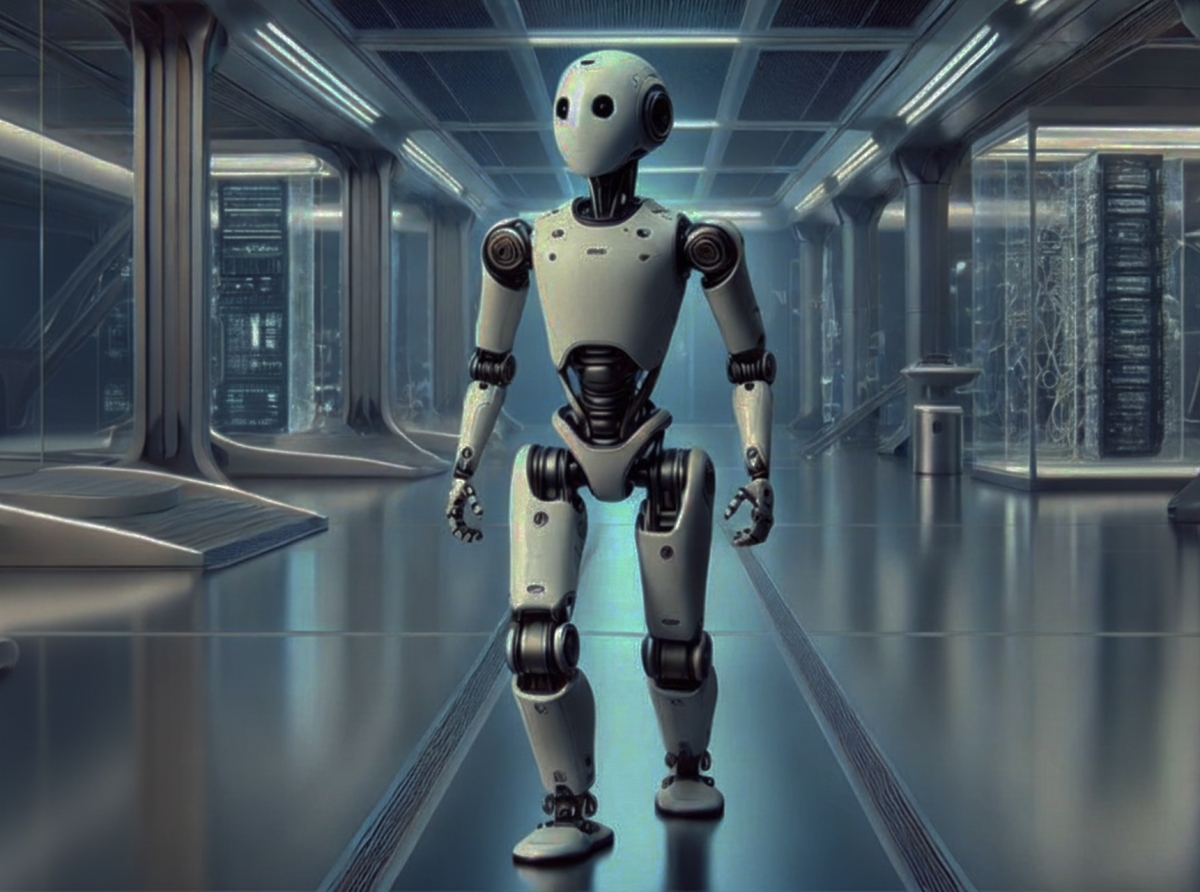
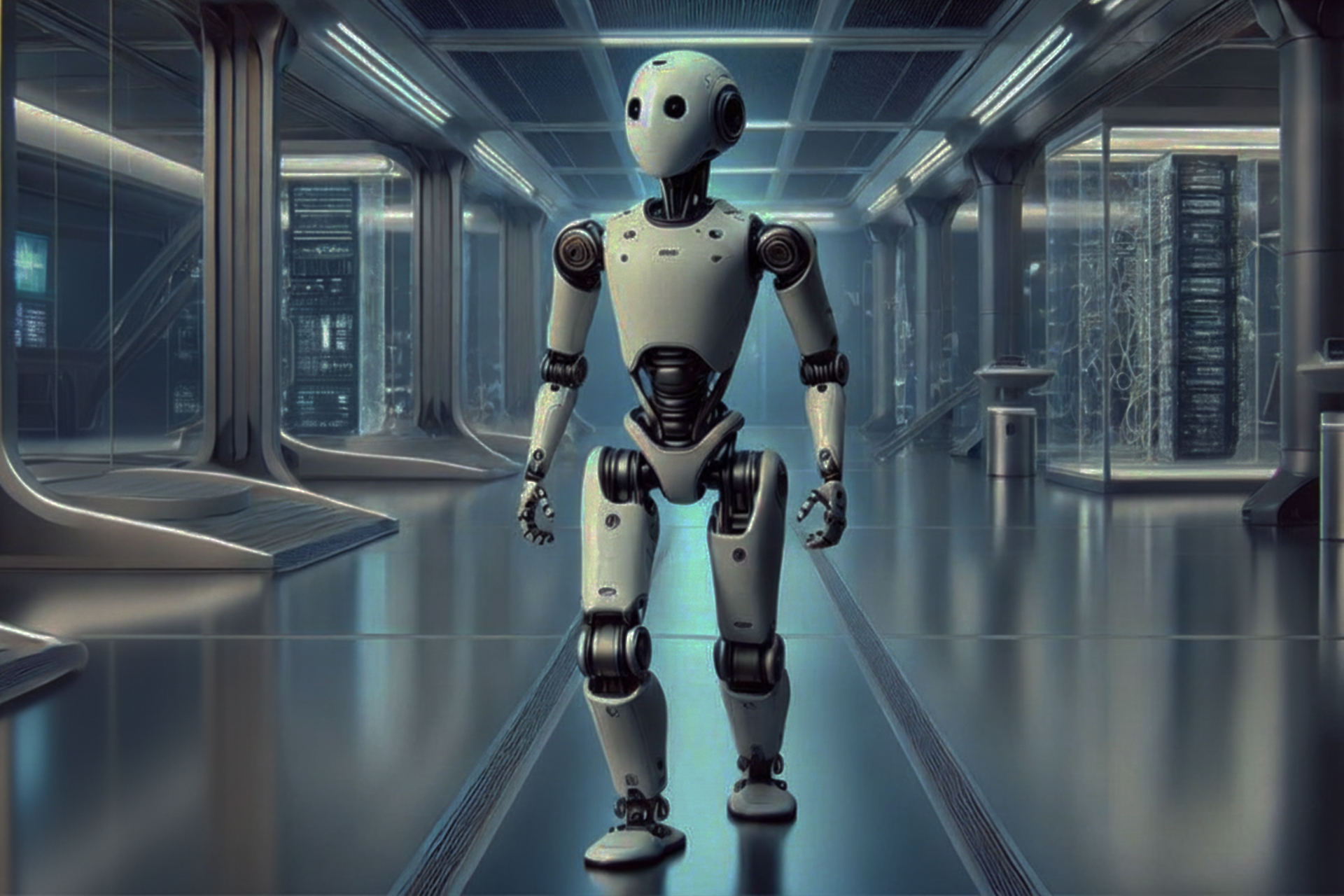
The robot was Atlas, Boston Dynamics' long-developed humanoid platform, now reintroduced in a form intended not as a research curiosity but as a future industrial product. The demonstration lasted several minutes, and while it was remotely operated to ensure predictability, the company was explicit about its real goal: autonomous operation in production environments.
In an industry where a single stumble can dominate headlines, the absence of visible failure was itself the message.
In an industry where a single stumble can dominate headlines, the absence of visible failure was itself the message.
Atlas Steps Onto the Stage: Why Boston Dynamics' Humanoid Debut Signals a New Phase of the Robot
From viral videos to live performance: why this demo matters
Boston Dynamics has always occupied a unique place in robotics. For years, its machines were best known through highly polished videos that showcased jaw-dropping mobility while quietly avoiding real-time scrutiny. That strategy worked for awareness, but it also fed skepticism.Live demonstrations are different. They remove editing as a safety net and expose hardware, software, and integration decisions to immediate judgment. This is precisely why most humanoid robotics startups still prefer pre-recorded footage.
Against that backdrop, Atlas walking live on a CES stage carries weight beyond the choreography itself. The robot moved smoothly, turned its head as if tracking the audience, waved, and concluded the presentation by gesturing toward a static prototype of its future production version, finished in blue rather than the familiar gray.
The message was subtle but clear: this is no longer just a lab platform.
Hyundai's industrial ambition behind the humanoid form
Boston Dynamics is now majority-owned by Hyundai, and that context explains much of Atlas' repositioning. According to the company, the production version of Atlas is already in manufacturing, with deployment planned for 2028 at Hyundai's electric vehicle plant near Savannah, Georgia.This detail matters. Rather than promising general-purpose household robots, Hyundai is anchoring Atlas firmly in industrial reality. Automotive manufacturing offers structured environments, repeatable tasks, and clear economic incentives - conditions far more forgiving than homes or public spaces.
From this perspective, Atlas is not competing directly with human workers yet. Instead, it targets physically demanding, repetitive tasks where and endurance matter more than fine motor skills or social intelligence.
That choice reflects a broader industry lesson: humanoid form factors only make sense where existing infrastructure is already built for human bodies.
AI, autonomy, and the return of Google DeepMind
Another significant signal came alongside the demo. Hyundai announced a partnership with Google DeepMind, whose AI technologies will be integrated into Boston Dynamics robots. For Google, this partnership is almost cyclical. The company acquired Boston Dynamics in 2013, sold it to SoftBank later, and now re-enters the story through AI rather than ownership.This matters because modern humanoid robotics is no longer limited by mechanics alone. Locomotion, while still difficult, is increasingly solvable. The real bottleneck lies in perception, decision-making, and adaptability - areas where large-scale AI models and reinforcement learning have advanced rapidly.
Experts consistently point out that progress in robotics is now driven less by individual breakthroughs and more by convergence. Software, chips, sensors, connectivity, and infrastructure are finally aligned. Atlas is a visible product of that convergence rather than a single technological leap.
A new tone in the humanoid competition
The humanoid race is often framed around high-profile players like Tesla, but Boston Dynamics' approach stands apart. Where others emphasize speed of iteration or bold claims about general intelligence, Atlas' CES appearance was notably restrained.Remote control was openly acknowledged. Autonomy was framed as a goal, not a marketing slogan. Deployment was tied to a specific factory, not a vague promise of household ubiquity.
That restraint may prove strategic. Public expectations around humanoid robots are volatile, and overpromising has already damaged credibility across the sector. In this context, a controlled live demo without failure can be more persuasive than a spectacular but heavily edited video.
What Atlas does not yet represent
Despite the excitement, it is important to separate symbolism from capability. Atlas does not yet threaten large segments of the labor market. Its dexterity, adaptability, and autonomy remain limited compared to humans, and even experts caution that truly universal humanoid robots remain distant.In many environments, wheeled or specialized robots are still more efficient. The humanoid form is not inherently superior; it is situationally useful.
However, the discussion around employment impact is inevitable. As humanoids improve and costs fall, pressure will increase to justify where humans remain essential and where machines can safely replace them. That debate has only just begun.
Conclusion: why this moment matters
Atlas walking across a CES stage is not the arrival of humanoid robots into everyday life. It is something more specific and arguably more important: a signal that humanoid robotics is entering an accountable, industrial phase.
By combining proven mechanical expertise, cautious public messaging, industrial deployment plans, and advanced AI partnerships, Boston Dynamics and Hyundai are positioning Atlas not as a spectacle, but as infrastructure.
Atlas walking across a CES stage is not the arrival of humanoid robots into everyday life. It is something more specific and arguably more important: a signal that humanoid robotics is entering an accountable, industrial phase.
By combining proven mechanical expertise, cautious public messaging, industrial deployment plans, and advanced AI partnerships, Boston Dynamics and Hyundai are positioning Atlas not as a spectacle, but as infrastructure.
By Miles Harrington
January 07, 2026
Join us. Our Telegram: @forexturnkey
All to the point, no ads. A channel that doesn't tire you out, but pumps you up.
January 07, 2026
Join us. Our Telegram: @forexturnkey
All to the point, no ads. A channel that doesn't tire you out, but pumps you up.




Report
My comments