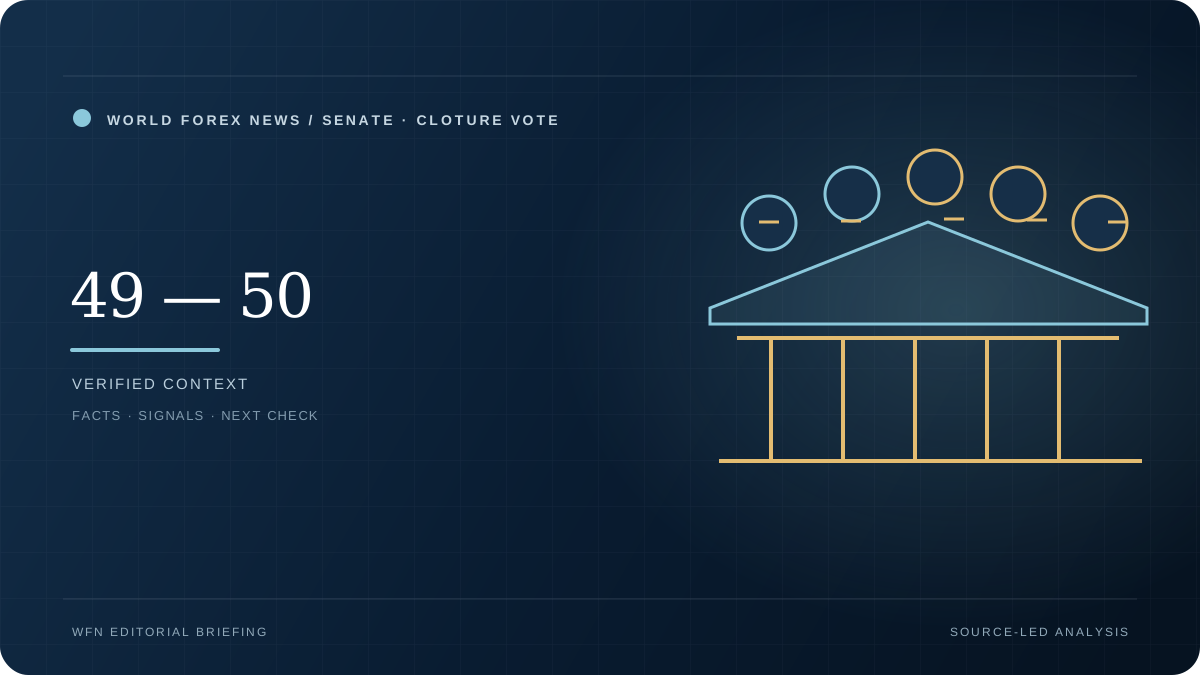
On 15 September, the Senate rejected cloture on a motion to proceed to H.R. 3633, a bill proposing a regulatory system for digital commodities involving the SEC and CFTC. The official roll call records 49 votes in favor, 50 against and one senator not voting. This was a procedural vote on moving forward, not a final passage vote on the bill. U.S. Senate: Roll Call Vote 234 on H.R. 3633, 15 September 2026
Follow the evidence
Trace how the event could reach markets, then inspect a competing explanation.
Compare explanations
Switch lenses to see what each account explains—and what remains uncertain.
The 49–50 cloture result stopped the Senate from moving forward under that motion on 15 September.
The 49–50 cloture result stopped the Senate from moving forward under that motion on 15 September.
A revised measure or later procedural action could alter the legislative path, but no such outcome is established by this vote alone.
The question was whether to end debate on proceeding to the measure
The Senate roll call identifies the question as cloture on the motion to proceed to H.R. 3633. The result was rejected: 49 senators voted yea, 50 nay and one did not vote. Because the motion required three-fifths, the chamber did not reach a simple majority threshold on this procedural question. U.S. Senate: Roll Call Vote 234 on H.R. 3633, 15 September 2026
H.R. 3633’s title describes a proposed system for regulating the offer and sale of digital commodities by the SEC and CFTC. The roll-call page does not record a final Senate passage or rejection of the bill’s full text; it records the Senate’s decision on whether to proceed under the cloture procedure. U.S. Senate: Roll Call Vote 234 on H.R. 3633, 15 September 2026
A failed cloture vote can stall a measure at that stage without deciding every possible future route for the proposal. Any claim that the bill is permanently dead, or that it has become law, goes beyond what this roll-call result establishes. Congress.gov: H.R. 3633, bill text and actions
The near-term rulebook still depends on agency action and later legislation
A comprehensive market-structure bill could define how responsibilities are divided across agencies and what requirements apply to digital-commodity markets. The procedural setback leaves that proposed path unresolved at this stage. It does not itself amend existing statutes or cancel agency rules and proposals already moving through their separate processes.
For exchanges, issuers and intermediaries, legal planning still turns on current law, the status of live rulemaking, court decisions and each product’s features. Companies should not treat either a proposed bill or a failed procedural vote as a blanket authorization for a business model.
The market impact of the vote is also distinct from its legal effect. Prices can respond to expectations about future regulation, but the official vote record establishes the procedural result rather than proving why any asset moved or how investors will respond next. U.S. Senate: Roll Call Vote 234 on H.R. 3633, 15 September 2026
Follow bill actions, amendments and the actual text separately
Congress.gov provides the bill text and action history. Check whether a new motion, amendment, substitute text or related bill appears before describing H.R. 3633 as advanced or abandoned. A new proposal can resemble a prior one while changing definitions, agency powers or implementation dates.
An alternative interpretation is that a procedural setback may increase the importance of agency rulemaking for the near term. That is a policy scenario, not a legal consequence guaranteed by the 49–50 vote. Agencies still have to act within existing statutory authority and complete any required process.
When reporting this vote, preserve the procedural wording: cloture on a motion to proceed was rejected on 15 September. Do not call it a final vote on passage. For subsequent coverage, compare what the Senate actually schedules with the current text and formal actions recorded for the bill. U.S. Senate: Roll Call Vote 234 on H.R. 3633, 15 September 2026